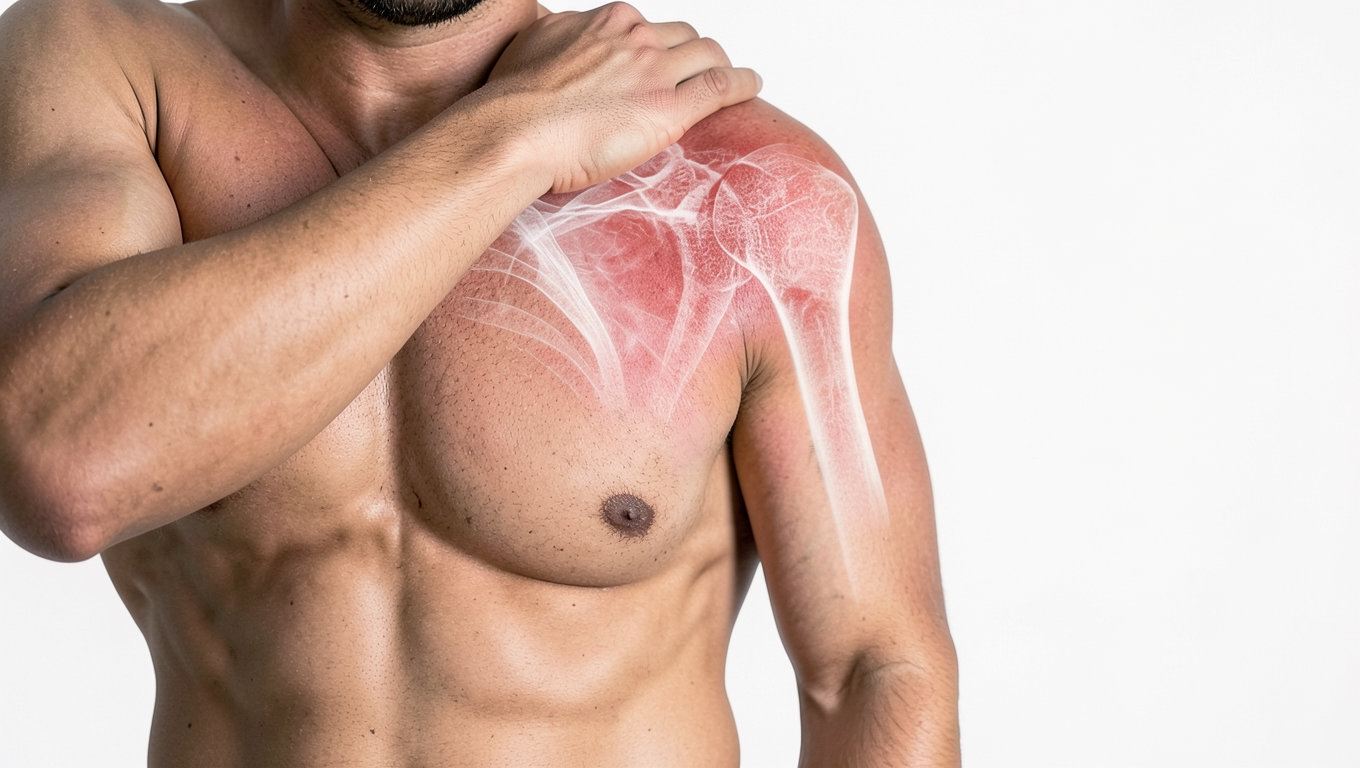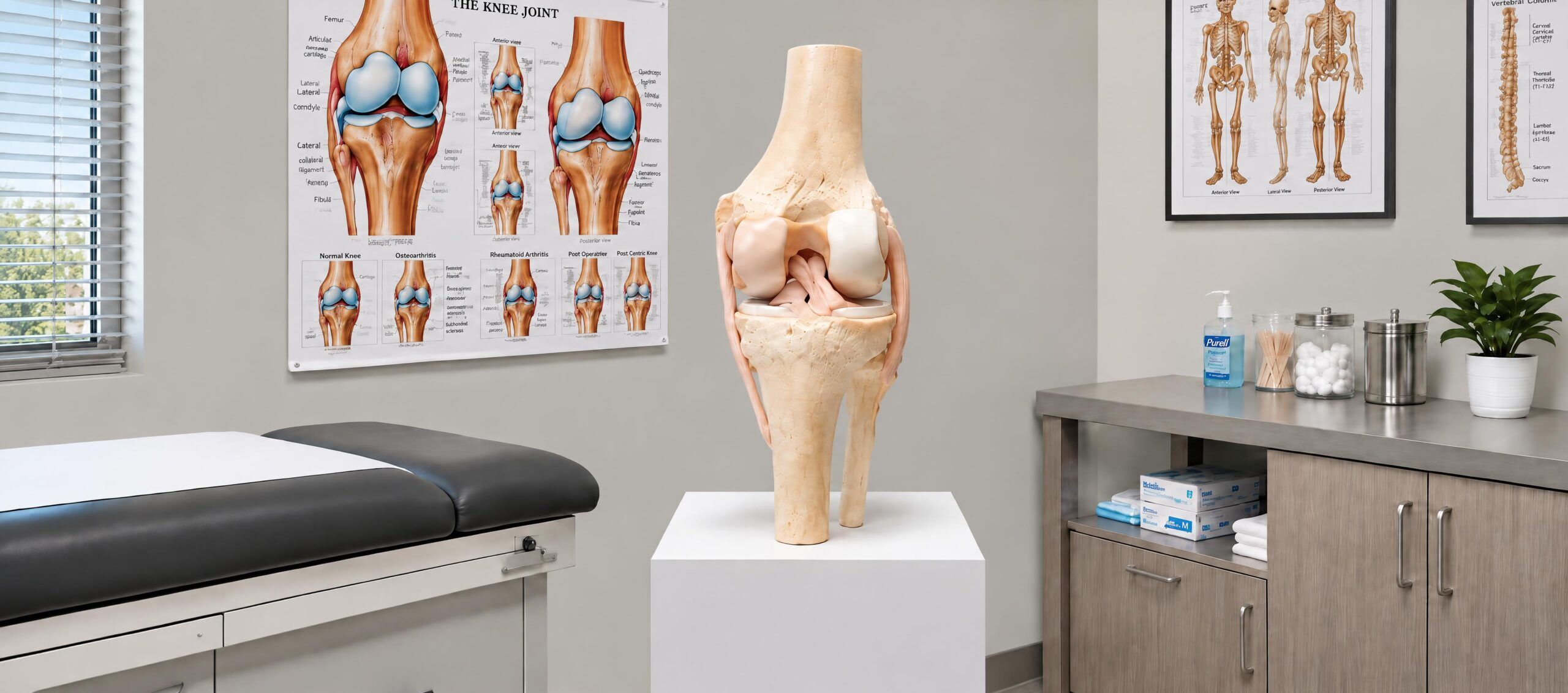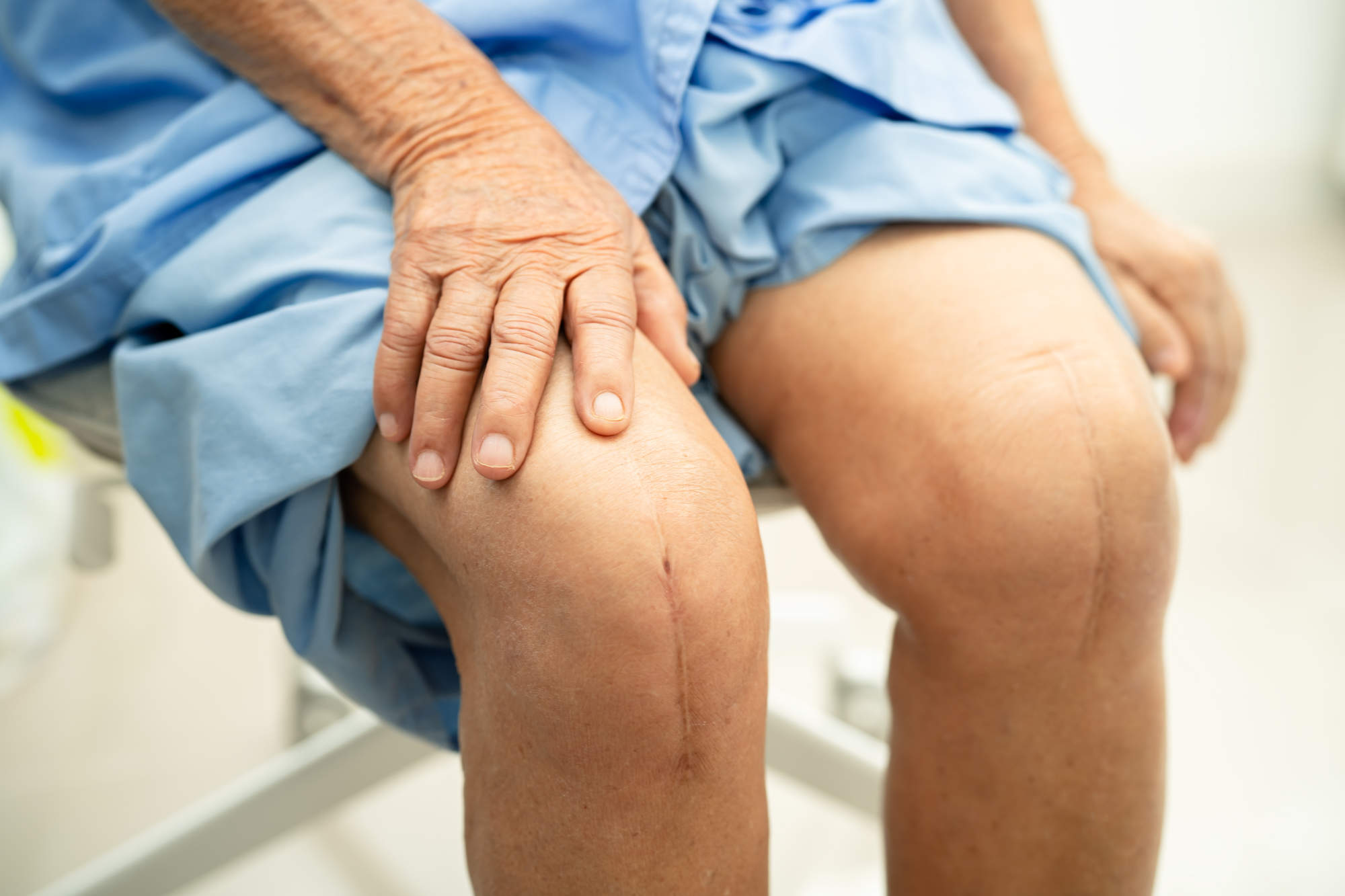

Injuries to the shoulder and knee are common, especially among athletes and active individuals in El Paso. Whether it’s a torn rotator cuff from a weekend softball game or a meniscus injury from a morning jog, these issues can severely impact your quality of life. Fortunately, advances in orthopedic medicine have made it possible to treat many of these conditions using a minimally invasive technique known as arthroscopy. At OrthoEdge in El Paso, Texas, we specialize in arthroscopic surgery for both shoulder and knee injuries, helping patients return to their active lifestyles faster and with less pain.
This comprehensive guide explains what arthroscopic surgery is, the conditions it treats, and why it’s often the preferred option over traditional open surgery. We’ll also cover what you can expect during recovery and how choosing arthroscopy can benefit your overall healing process.
---
What is Arthroscopic Surgery?
Arthroscopy is a minimally invasive surgical technique used by orthopedic surgeons to diagnose and treat joint problems. The word “arthroscopy” comes from two Greek words: “arthro” (joint) and “skopein” (to look). In essence, arthroscopy means “to look inside the joint.”
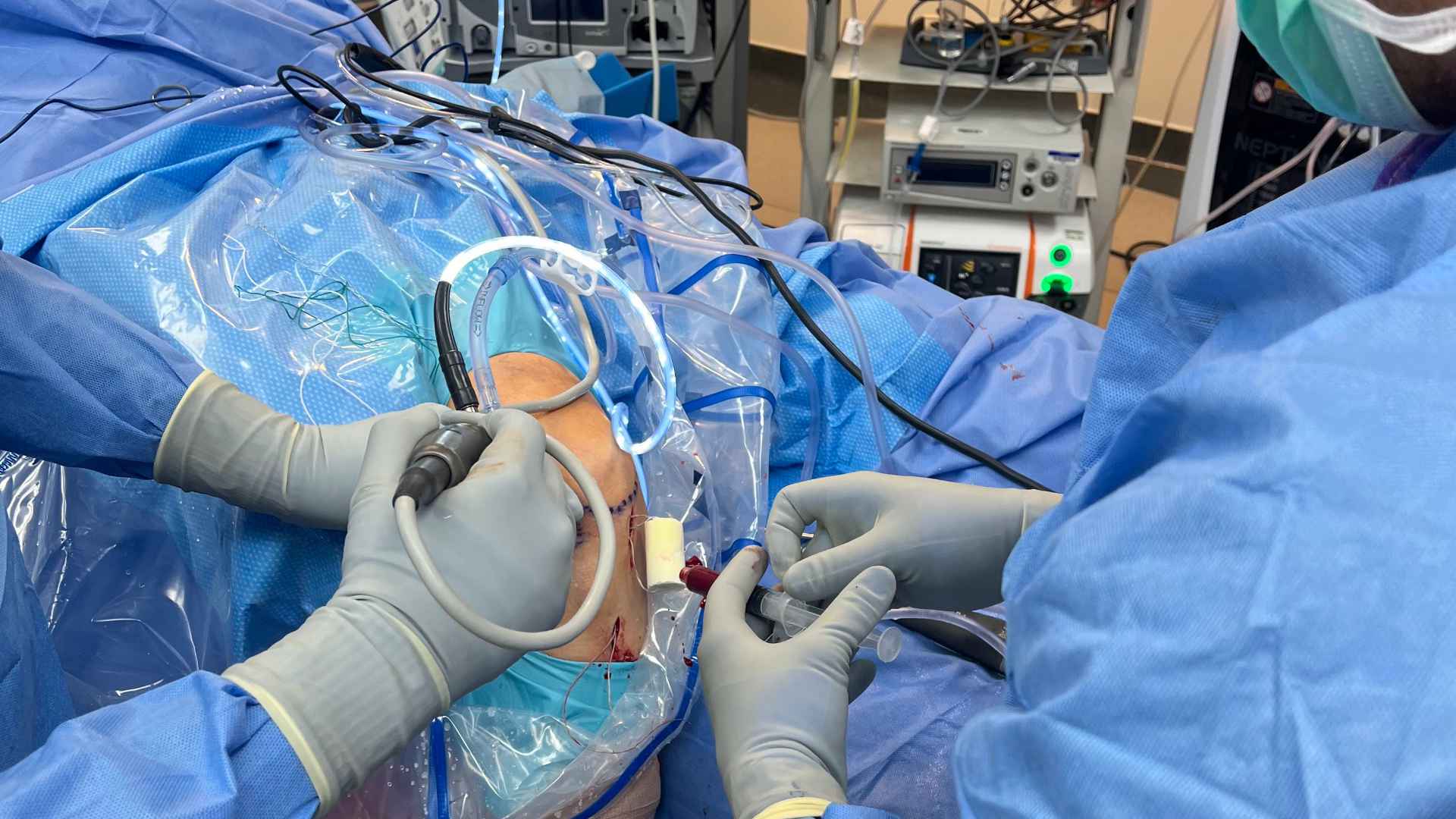
During the procedure, the surgeon makes small incisions—typically less than a centimeter long—and inserts a pencil-sized camera called an arthroscope into the affected joint. This camera projects high-definition images onto a monitor, allowing the surgeon to see inside the joint in great detail. Specialized surgical instruments are then inserted through other small incisions to perform repairs or remove damaged tissue.
Key Features of Arthroscopy
- Minimally Invasive: Small incisions mean less trauma to surrounding tissues.
- Precision: Enhanced visualization allows for accurate diagnosis and targeted treatment.
- Faster Recovery: Patients usually experience less pain, swelling, and scarring compared to open surgery.
- Outpatient Procedure: Many arthroscopic surgeries are performed on an outpatient basis, allowing patients to go home the same day.
---
Common Conditions Treated with Arthroscopy
Arthroscopic surgery is highly versatile and is commonly used to treat a variety of shoulder and knee injuries. Here are some of the most frequent conditions addressed at OrthoEdge:
Shoulder Conditions
1. Rotator Cuff Tears
The rotator cuff is a group of muscles and tendons that stabilize the shoulder. Tears can occur due to injury or degenerative changes. Arthroscopy allows for minimally invasive repair of torn tendons, often resulting in quicker healing and less postoperative discomfort.
2. Shoulder Impingement & Bursitis
Impingement occurs when the shoulder tendons are pinched during movement, often causing pain and inflammation. Arthroscopy can be used to remove inflamed tissue or bone spurs that contribute to impingement.
3. Labral Tears (SLAP Lesions)
The labrum is a ring of cartilage that helps stabilize the shoulder joint. Tears can result from trauma or repetitive motion. Arthroscopic techniques can repair or remove the damaged portion of the labrum, restoring stability and function.
Knee Conditions
1. Meniscus Tears
The meniscus is a C-shaped cartilage that cushions the knee joint. Tears are common in athletes and can cause pain, swelling, and limited motion. Arthroscopy allows for precise repair or removal of the torn meniscus, preserving as much healthy tissue as possible.
2. Anterior Cruciate Ligament (ACL) Injuries
The ACL is a key ligament that stabilizes the knee. Tears are often sports-related and can lead to instability. Arthroscopic ACL reconstruction uses small incisions to replace the damaged ligament with a graft, promoting a more natural recovery.
3. Cartilage Injuries
Articular cartilage covers the ends of bones in the joint and can be damaged by injury or wear and tear. Arthroscopy can smooth rough cartilage, remove loose fragments, or stimulate growth of new cartilage.
---
Arthroscopy vs. Traditional Open Surgery
Understanding the differences between arthroscopic and traditional open surgery can help you make informed decisions about your treatment.
Traditional Open Surgery
Open surgery involves making a large incision to expose the joint, allowing the surgeon to work directly on the structures inside. While effective, this approach often results in:
- More extensive tissue disruption
- Increased pain and swelling
- Longer hospital stays
- Higher risk of infection and complications
- Larger scars
Benefits of Arthroscopic Surgery
Arthroscopy offers several advantages over open surgery, including:
- Smaller Incisions: Less tissue damage and minimal scarring.
- Reduced Pain: Less trauma leads to decreased postoperative pain.
- Faster Recovery: Patients often return to work, sports, and daily activities sooner.
- Lower Risk of Infection: Smaller wounds reduce the likelihood of infection.
- Outpatient Convenience: Most procedures do not require an overnight hospital stay.
---
Recovery Expectations After Arthroscopic Surgery
One of the main reasons patients in El Paso choose OrthoEdge for arthroscopic shoulder and knee surgery is the predictable and generally smooth recovery process.
Immediate Postoperative Period
- Same-Day Discharge: Most patients go home within hours of the procedure.
- Pain Management: Mild to moderate pain is common but usually well-controlled with oral medications and ice.
- Mobility: Early movement is encouraged, and crutches or a sling may be used temporarily.
Rehabilitation
- Physical Therapy: A structured rehabilitation program is crucial for optimal recovery. Therapy focuses on restoring range of motion, strength, and function.
- Follow-Up Visits: Regular check-ups ensure proper healing and allow your surgeon to monitor progress.
Return to Activities
- Daily Activities: Many patients resume light activities within days to weeks.
- Sports & Exercise: Return to sports depends on the type of surgery and individual progress. For example, athletes may return to play within 3-6 months after ACL reconstruction, while rotator cuff repairs may require 4-6 months.
Long-Term Outcomes
Studies show that arthroscopic surgery provides excellent long-term results for most shoulder and knee injuries, especially when combined with dedicated rehabilitation.
---
Why Choose OrthoEdge for Arthroscopic Surgery in El Paso?
At OrthoEdge, our board-certified orthopedic surgeon William Arroyo MD, have extensive experience in advanced arthroscopic techniques for the shoulder and knee. We use state-of-the-art equipment and evidence-based protocols to ensure the best possible outcomes for our patients.
Our Unique Approach
- Personalized Care: Every patient receives a tailored treatment plan based on their unique needs and goals.
- Cutting-Edge Technology: We utilize the latest arthroscopic instruments and imaging for precision and safety.
- Comprehensive Support: From preoperative education to postoperative rehab, our team is with you every step of the way.
---
Frequently Asked Questions (FAQs)
Q1: Is arthroscopic surgery painful?
A1: Most patients experience mild to moderate discomfort after surgery, which is usually well-controlled with medications and ice. Pain levels are typically much lower than with traditional open surgery.
Q2: How long does arthroscopic surgery take?
A2: Most procedures last between 30 minutes and 2 hours, depending on the complexity of the injury.
Q3: Will I need physical therapy after arthroscopy?
A3: Yes, physical therapy is essential for optimal recovery and helps restore strength, flexibility, and function.
Q4: Are there risks associated with arthroscopic surgery?
A4: As with any surgery, there are risks such as infection, bleeding, or nerve injury. However, these risks are generally lower with arthroscopy compared to open surgery.
Q5: How soon can I return to work or sports?
A5: Many patients return to desk jobs within a week. Return to sports or physically demanding work depends on the specific procedure and your progress in rehabilitation.
Q6: Is arthroscopy covered by insurance?
A6: Most health insurance plans cover arthroscopic surgery when medically necessary. Our staff can help you verify your coverage.
Conclusion
Arthroscopic surgery has revolutionized the treatment of shoulder and knee injuries, offering patients in El Paso a minimally invasive solution with faster recovery, less pain, and excellent long-term results. If you’re struggling with joint pain or have been told you need surgery, consider a consultation with the experts at OrthoEdge. Our team is dedicated to helping you get back to the activities you love—safely and efficiently.