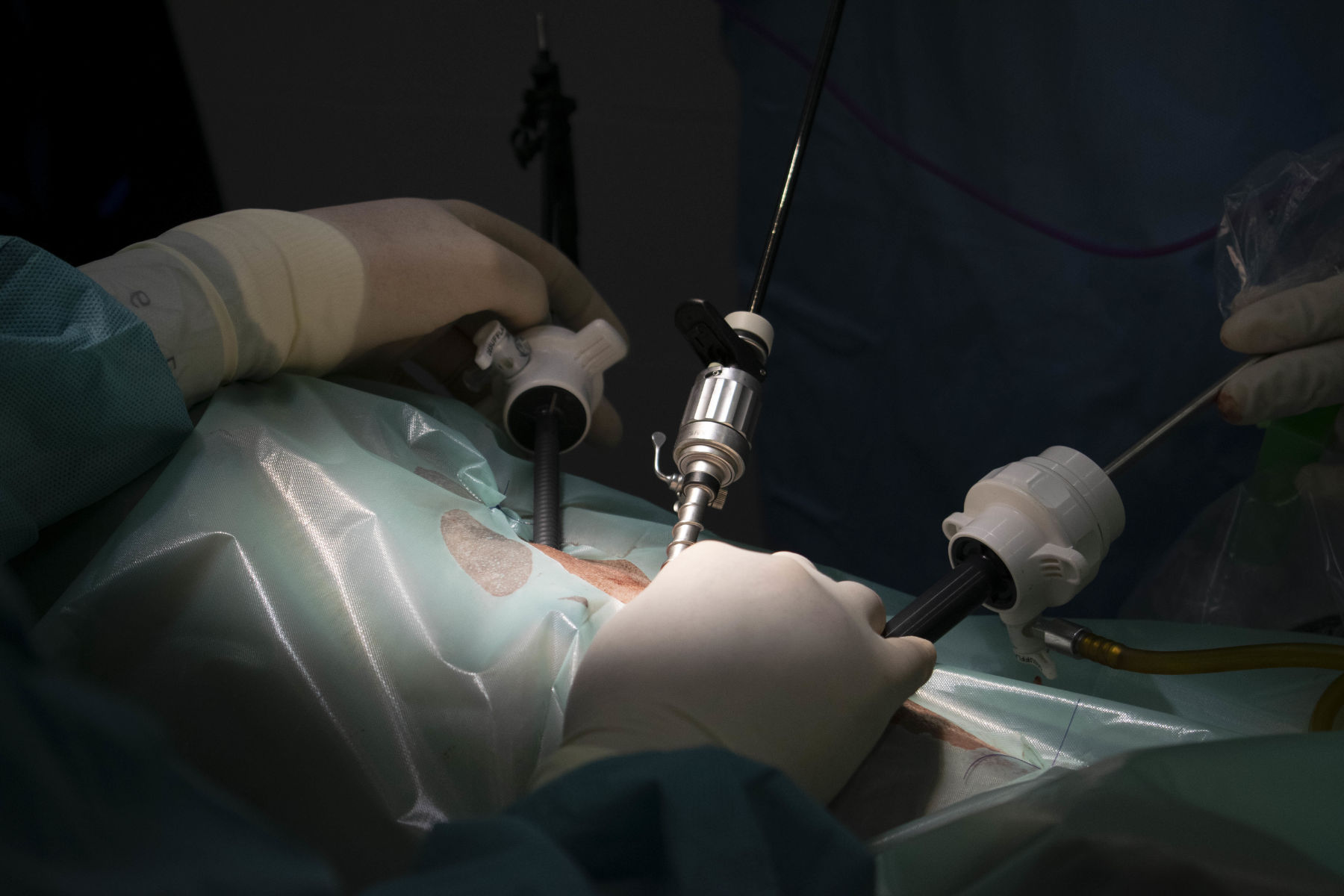

Joint pain can have a major impact on your quality of life. Whether it is your knee, shoulder, or another joint, chronic discomfort and limited movement can make everyday tasks feel impossible. Many people try physical therapy, medication, or injections to find relief, but sometimes these treatments are not enough. In those cases, joint replacement surgery may be the best option for long-term improvement.
At OrthoEdge in El Paso, we specialize in helping patients understand their treatment options and guiding them through every step of the surgical process. Below we will discuss the signs and symptoms that indicate it may be time to consider joint replacement surgery, the differences between knee and shoulder replacements, and what you can expect before, during, and after surgery.
Signs and Symptoms Indicating Joint Replacement May Be Necessary
Determining the right time to consider joint replacement surgery is a personal decision that should be made with your orthopedic surgeon. However, there are common signs and symptoms that suggest joint replacement could help restore your mobility and relieve pain.
1. Persistent Pain That Does Not Improve
Chronic joint pain is one of the most obvious signs that your joint may be severely damaged. If you have tried conservative treatments such as rest, anti-inflammatory medications, physical therapy, or injections without relief, it might be time to discuss surgical options.
Pain that keeps you awake at night or prevents you from performing simple daily activities, such as walking, climbing stairs, or lifting your arm, can indicate that the joint is too damaged to heal without surgical intervention.
2. Stiffness and Loss of Range of Motion
Stiffness is another sign that the cartilage in your joint may be worn down. If your knee or shoulder feels tight or difficult to move even after stretching and physical therapy, joint replacement could help. When the cartilage wears away, the bones begin to rub together, causing both pain and a loss of flexibility.
3. Joint Deformity or Swelling
Visible changes in the shape of your joint may indicate advanced arthritis or joint damage. Swelling that does not improve with rest or ice can also signal that the joint is inflamed and deteriorating. These symptoms often worsen over time and can make non-surgical treatments less effective.
4. Difficulty Performing Everyday Activities
When pain and stiffness interfere with basic activities such as dressing, cooking, cleaning, or participating in your favorite hobbies, it may be time to consider a joint replacement. The goal of surgery is not just to relieve pain, but to restore independence and quality of life.
5. Little or No Relief from Other Treatments
Before recommending joint replacement, orthopedic surgeons usually try a range of conservative treatments. These may include:
-
Physical therapy
-
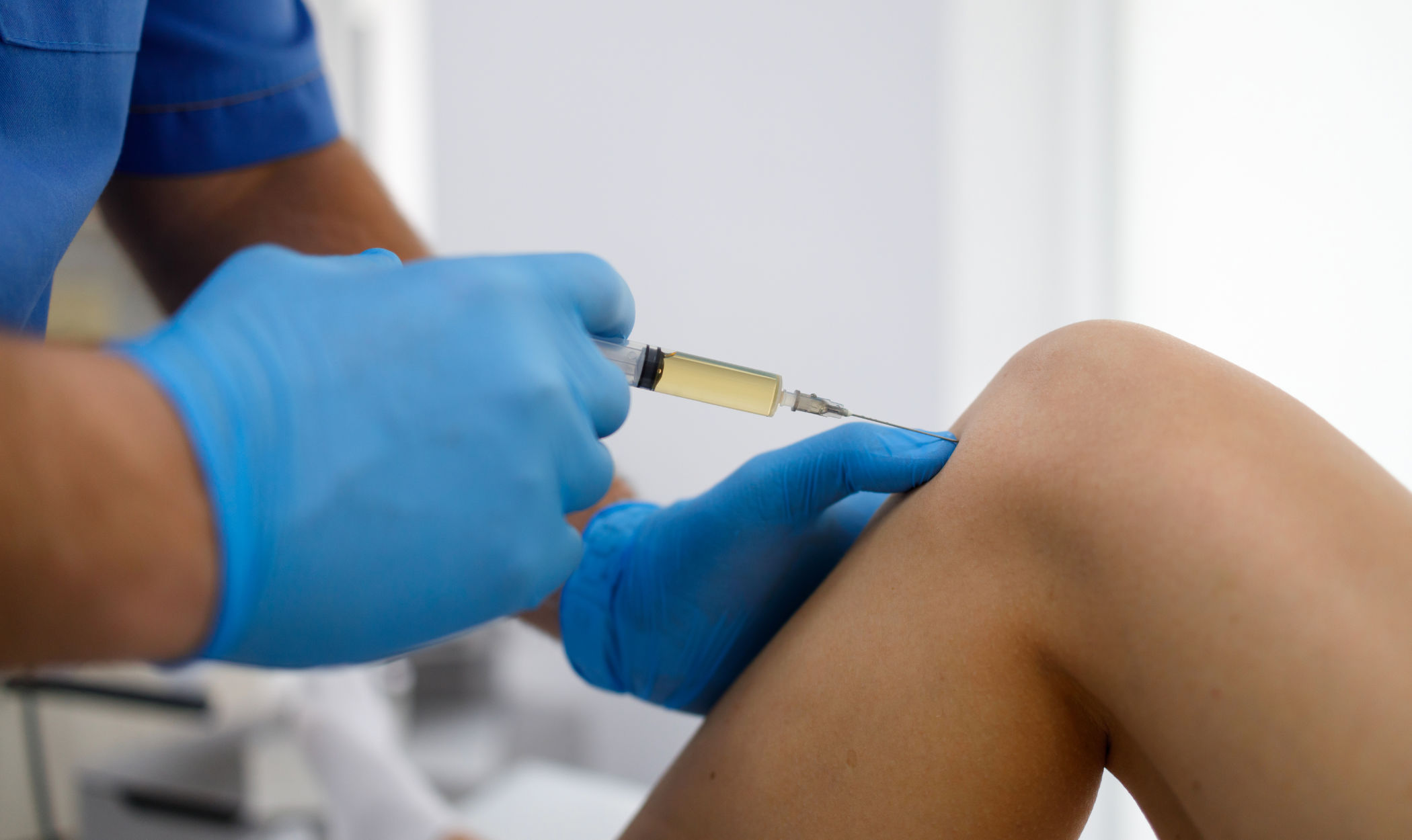
Cortisone or hyaluronic acid injections
-
Nonsteroidal anti-inflammatory drugs (NSAIDs)
-
Assistive devices such as braces or canes
If you have tried these treatments without success, surgery might be the next logical step.
Differences Between Knee and Shoulder Replacements
Although both knee and shoulder replacements fall under the category of joint replacement surgery, they involve different joints, functions, and recovery processes. Understanding these differences can help you know what to expect and make informed decisions about your care.
Knee Replacement Surgery
Knee replacement surgery is one of the most common orthopedic procedures performed today. It is typically recommended for patients with severe osteoarthritis, rheumatoid arthritis, or post-traumatic arthritis.
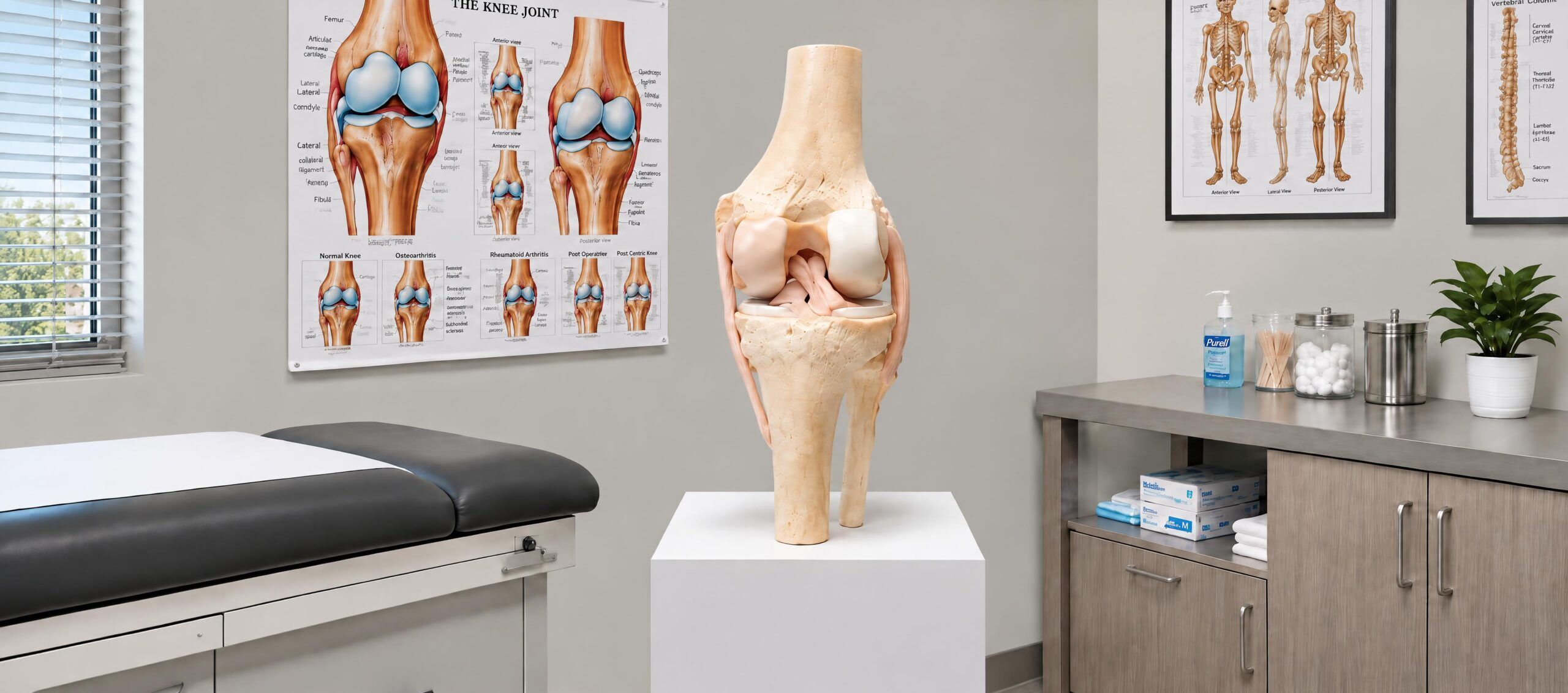
During a total knee replacement, the surgeon removes the damaged bone and cartilage from the end of the femur (thigh bone) and the top of the tibia (shin bone). These surfaces are replaced with metal and plastic components that mimic the movement of a natural knee joint. In some cases, a partial knee replacement may be performed if only one part of the joint is damaged.
Key Benefits of Knee Replacement:
-
Significant pain reduction
-
Improved walking ability and range of motion
-
Long-lasting results, often 15 to 20 years or more
-
Better stability and balance
Recovery Expectations:
Knee replacement recovery usually takes several months. Most patients begin physical therapy within a day after surgery to help regain strength and mobility. Many people can resume normal activities, such as walking without assistance, within six to twelve weeks. Full recovery, including the return to more demanding activities, may take up to six months.
Shoulder Replacement Surgery
Shoulder replacement surgery is performed to relieve pain and improve mobility in patients with severe arthritis, rotator cuff injuries, or fractures. It involves replacing the damaged parts of the shoulder joint with artificial components called prostheses.
There are two main types of shoulder replacement:
-
Anatomic Total Shoulder Replacement: The damaged ball (humeral head) and socket (glenoid) are replaced with metal and plastic parts that replicate the natural anatomy of the shoulder.
-
Reverse Total Shoulder Replacement: The positions of the ball and socket are reversed, which allows other muscles (mainly the deltoid) to move the arm when the rotator cuff is too damaged to function properly.
Key Benefits of Shoulder Replacement:
-
Significant pain relief
-
Improved ability to lift and rotate the arm
-
Enhanced shoulder strength and flexibility
-
Improved sleep and daily function
Recovery Expectations:
Recovery from shoulder replacement surgery varies depending on the type of procedure and the patient’s overall health. Most patients wear a sling for several weeks after surgery to protect the joint. Physical therapy begins soon after to restore movement and strength. Many patients regain functional use of the shoulder within three to six months, though full recovery can take up to a year.
What Patients Can Expect Before, During, and After Surgery
Joint replacement surgery may sound intimidating, but modern advancements have made the procedure safer and recovery more comfortable than ever before. Understanding what happens before, during, and after surgery can help you feel confident and prepared.
Before Surgery: Preparation and Planning
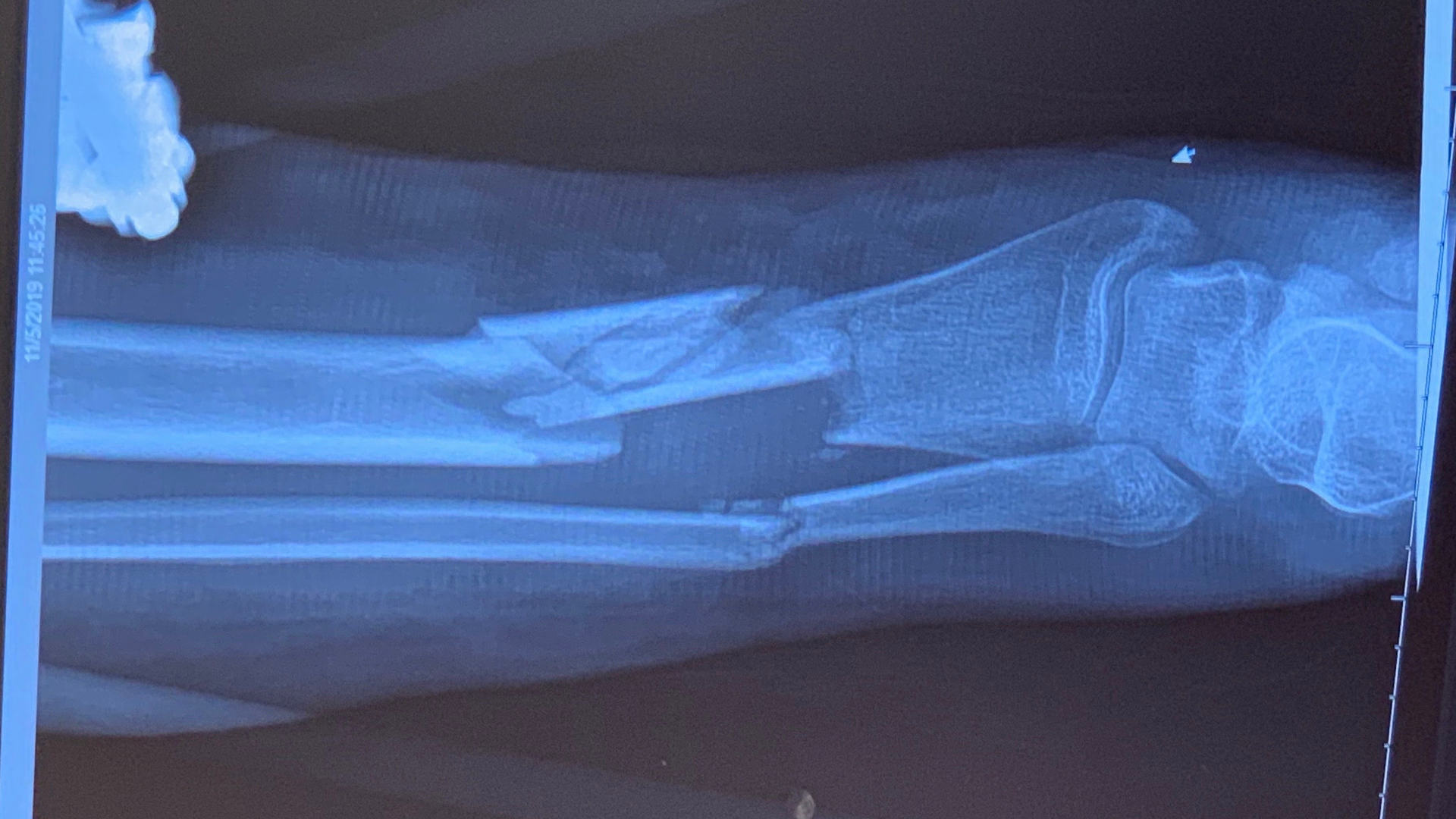
The preparation process begins with a detailed consultation with your orthopedic surgeon. During this visit, your surgeon will review your medical history, perform a physical exam, and order imaging studies such as X-rays or MRIs to evaluate the extent of joint damage.
You will also discuss your symptoms, goals, and treatment options. If surgery is recommended, your care team will help you prepare by:
-
Reviewing your medications and advising which ones to stop before surgery
-
Providing instructions about eating and drinking before the procedure
-
Recommending exercises to strengthen the muscles around your joint
-
Arranging for help at home during your recovery period
Some patients may also be asked to undergo preoperative testing, such as blood work, heart tests, or a general physical exam, to ensure they are healthy enough for surgery.
During Surgery: What Happens in the Operating Room
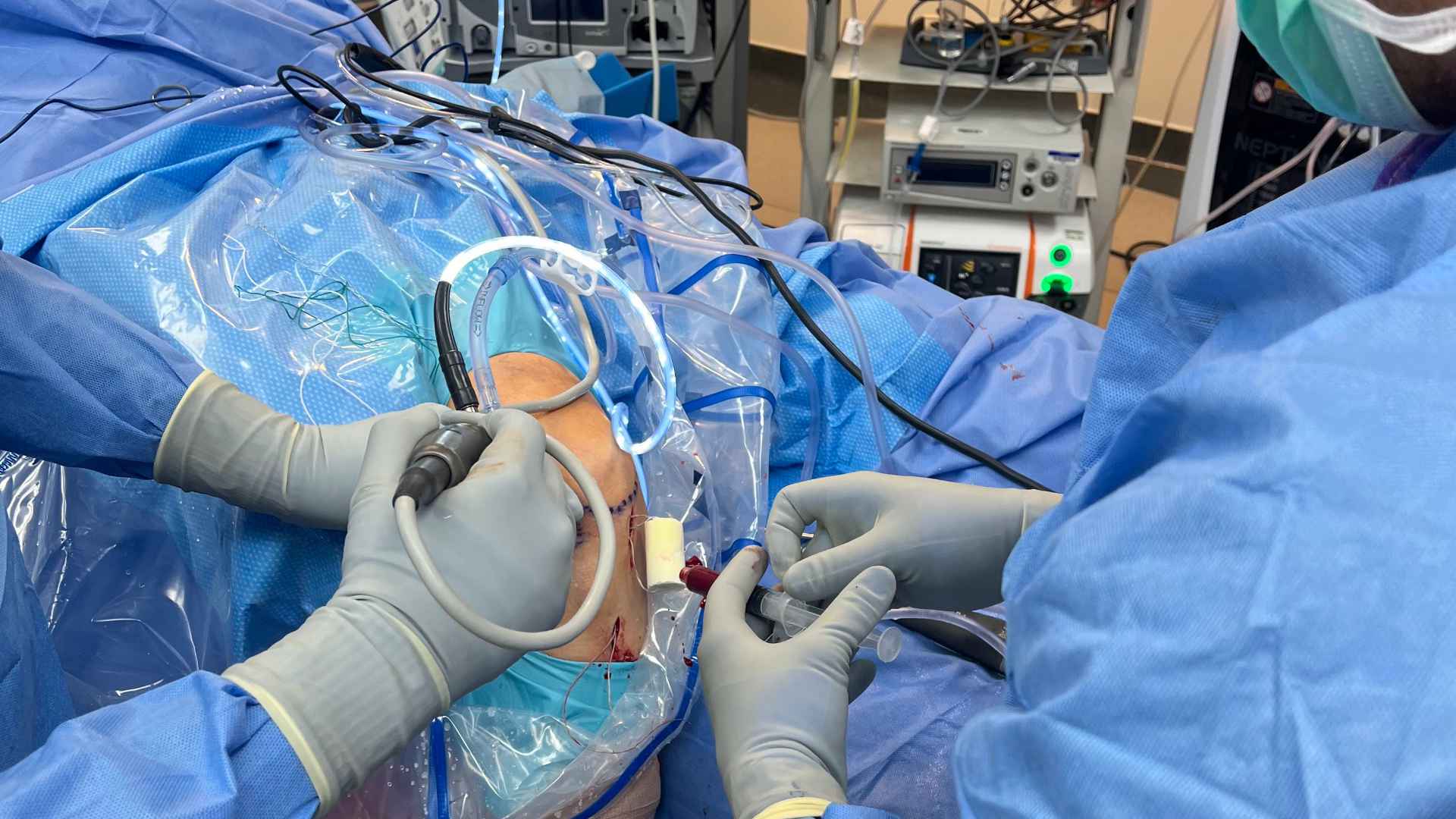
Joint replacement surgery is typically performed under either general anesthesia (you are asleep) or regional anesthesia (you are awake but numb from the waist or shoulder down). The surgery usually lasts one to two hours depending on the complexity of the case.
During the procedure, the surgeon carefully removes the damaged portions of the joint and replaces them with artificial components made of metal, ceramic, or plastic. These implants are designed to replicate the smooth, gliding motion of a healthy joint.
Once the implants are in place, the surgeon checks the alignment and stability of the joint before closing the incision. In most cases, patients spend a short time in recovery before being moved to a hospital room or discharged the same day, depending on their condition.
After Surgery: Recovery and Rehabilitation
The recovery process is just as important as the surgery itself. Your rehabilitation plan will focus on restoring strength, mobility, and flexibility to your new joint.
1. Hospital Stay or Outpatient Care
Some joint replacements can be performed as outpatient procedures, allowing patients to go home the same day. Others may require a brief hospital stay, especially if you have additional medical conditions or need extra support.
2. Pain Management
Your surgeon will provide medications and other strategies to control pain after surgery. Many patients find that the discomfort from surgery is much more manageable than the chronic pain they experienced before.
3. Physical Therapy
Physical therapy begins almost immediately after surgery. Your therapist will guide you through exercises designed to improve range of motion, prevent stiffness, and build muscle strength. Staying consistent with therapy is critical to achieving the best results.
4. Returning to Normal Activities
Most patients notice steady improvement within a few weeks. Activities such as walking, dressing, and driving become easier as pain decreases and strength improves. Your surgeon will advise you on when it is safe to return to work or sports, depending on your progress.
5. Long-Term Results
Joint replacements are designed to last many years, and most patients enjoy pain-free movement and an improved quality of life. Regular follow-up visits with your orthopedic surgeon will help ensure that your new joint continues to function properly.
Living Life to the Fullest After Joint Replacement
The decision to have joint replacement surgery is a big one, but for many people, it is life-changing. Patients who have lived with pain for years often report that they wish they had the surgery sooner. With the right preparation, skilled surgical care, and a strong commitment to recovery, you can look forward to regaining your mobility and enjoying a more active lifestyle.
At OrthoEdge in El Paso, our experienced orthopedic team is dedicated to helping you make the best decisions for your health. We use advanced surgical techniques and personalized care plans to ensure the best possible outcomes for every patient.
Schedule a Consultation with OrthoEdge El Paso
If you are struggling with chronic joint pain that limits your daily activities, it may be time to discuss joint replacement surgery. Our orthopedic specialists are here to evaluate your condition and help you understand all your treatment options.
Contact OrthoEdge El Paso today to schedule your consultation and take the first step toward a pain-free, active future.