
Anterior cruciate ligament (ACL) injuries are one of the most common and disruptive knee problems athletes and active adults face. At OrthoEdge El Paso, we see patients whose lives are changed by an ACL tear — whether from sports, a slip on uneven ground, or a sudden pivot while playing with friends. Understanding how ACL injuries happen, recognizing risk factors, and taking practical steps to prevent them can preserve knee health and keep you active longer. This post explains what the ACL does, why it’s vulnerable, common causes of injury, signs to watch for, and evidence-based ways to reduce your risk.
What the ACL does and why it matters
-
- The ACL is one of four primary ligaments that stabilize the knee. It runs from the femur (thigh bone) to the tibia (shin bone) and prevents the tibia from sliding forward relative to the femur. It also helps control rotational stability.
- When the ACL is intact, it allows safe pivoting, cutting, jumping, and decelerating. When it tears, patients often experience instability, difficulty with sharp turns or downhill movement, swelling, and pain. Left untreated in active people, ACL deficiency can lead to cartilage damage and early osteoarthritis.
How ACL injuries commonly happen
-
- Non-contact mechanisms account for the majority of ACL tears. These occur during sudden deceleration, cutting, pivoting, or awkward landings from a jump — think soccer, basketball, football, skiing, and volleyball.
- Contact injuries occur when a direct blow to the knee forces it into an unsafe position, as can happen in football tackles or collisions.
- Common situations:
- Cutting or changing direction quickly
- Landing from a jump with a stiff knee or poor alignment
- Rapid deceleration while running
- Direct blow to the knee with rotation of the lower leg
Who’s at higher risk
-
- Female athletes are at higher risk for non-contact ACL injuries than males in comparable sports. Reasons include differences in neuromuscular control, pelvic and lower-extremity biomechanics, muscle strength ratios, hormonal influences, and sometimes equipment and playing surface interactions.
- Athletes in cutting and pivoting sports (soccer, basketball, football, volleyball, lacrosse) are at increased risk.
- Poor lower-extremity strength, especially of the hamstrings and hip abductors, and poor neuromuscular control increase risk.
- Fatigue, poor conditioning, and inadequate warm-up can raise the likelihood of injury.
Recognizing an ACL injury
-
- Classic signs:
- A “pop” heard or felt at the time of injury
- Immediate swelling within hours
- Difficulty bearing weight and feeling of instability
- Limited range of motion due to pain and swelling
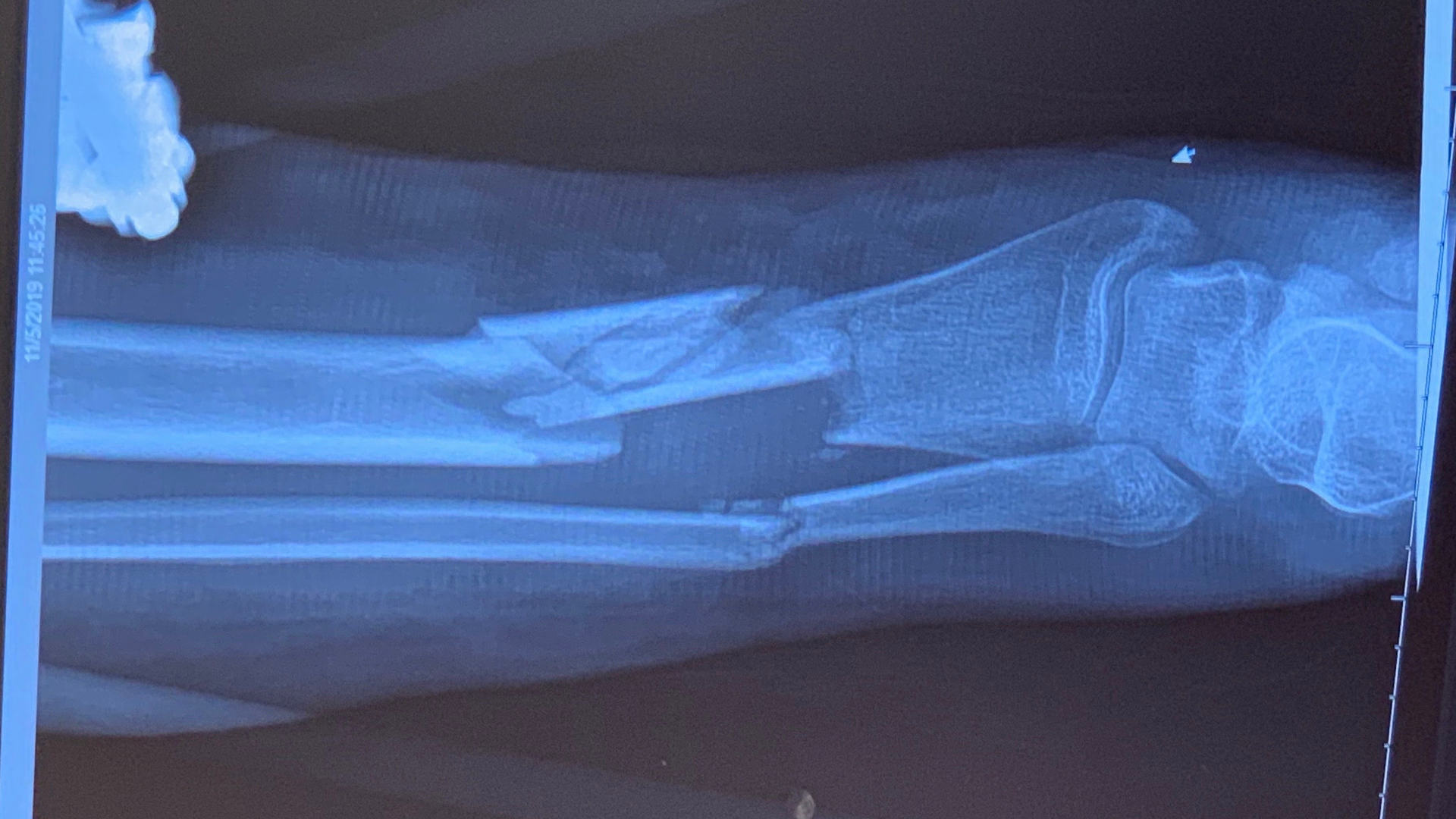
- If you suspect an ACL tear, seek medical evaluation. Diagnosis typically involves a physical exam (Lachman test, anterior drawer test) and imaging (X-rays to exclude fractures; MRI to assess ligament and associated cartilage/meniscal injury).
- Classic signs:
How to reduce your ACL injury risk — practical, evidence-based strategies
- Neuromuscular training programs
-
-
- The most effective prevention approach is structured neuromuscular and proprioceptive training. These programs focus on teaching safe landing mechanics, proper cutting techniques, and overall movement quality.
- Key elements:
- Jump-landing training: practice soft, balanced landings with knees aligned over toes and hips bent
- Plyometric and agility drills with emphasis on knee control and hip engagement
- Balance and single-leg stability exercises
- Technique coaching for cutting and deceleration
- Programs like FIFA 11+, PEP (Prevent injury and Enhance Performance), and sport-specific warm-ups have reliably reduced ACL injury rates, particularly in female athletes.
-
- Strength training
-
-
-
- Balanced strength of the quadriceps, hamstrings, gluteus medius and maximus, and core muscles helps stabilize the knee and control movements that stress the ACL.
- Emphasize:
- Hamstring strengthening (e.g., Nordic hamstring lowers, Romanian deadlifts)
- Hip abductor and external rotator strengthening (e.g., clamshells, monster walks, single-leg squats)
- Quadriceps strengthening with attention to control and technique
- Eccentric training (muscle lengthening under load) for hamstrings and quadriceps helps absorb forces during landing and deceleration.
-
-
- Movement technique and coaching
- Training athletes to avoid valgus collapse (inward knee movement) during landing and cutting is critical. Coaches and trainers should cue athletes to keep knees aligned over the toes and to use hip and knee flexion when landing.
- Work on deceleration mechanics: teach athletes to slow down using more knee and hip flexion and less upright, stiff posture.
- Proper warm-up and fatigue management
- A dynamic warm-up before activity that includes neuromuscular activation, movement preparation, and sport-specific drills reduces injury risk.
- Fatigue impairs neuromuscular control; condition athletes properly and monitor training loads. When fatigue sets in, technique breaks down and injury risk rises.
- Footwear and playing surface
- Use footwear appropriate for the playing surface. Shoes that are too sticky on artificial turf or too loose on wet grass can increase torsional forces on the knee.
- When possible, avoid surfaces known to cause increased knee strain, and replace worn cleats that may affect traction patterns.
- Bracing: selective use
- Functional knee braces may provide additional sense of stability for athletes returning from ACL reconstruction or those with chronic instability, but evidence for primary prevention in uninjured athletes is limited.
- Bracing is not a substitute for proper training, strength, and technique.
- Screening and individualized plans
- Movement screening (single-leg squat, drop jump analysis) can identify athletes with high-risk movement patterns. Use screening results to prescribe targeted neuromuscular and strength interventions.
- Female athletes, younger athletes, and those returning from injury often benefit from tailored prevention programs.
-
When prevention isn’t enough: early evaluation and treatment
-
- Even with prevention, ACL tears still occur. If you suspect a tear, early evaluation reduces the risk of further knee damage. Treatment options depend on activity level, knee instability, and associated injuries. Choices include:
- Nonoperative management with rehabilitation focused on strength and stability for less active patients
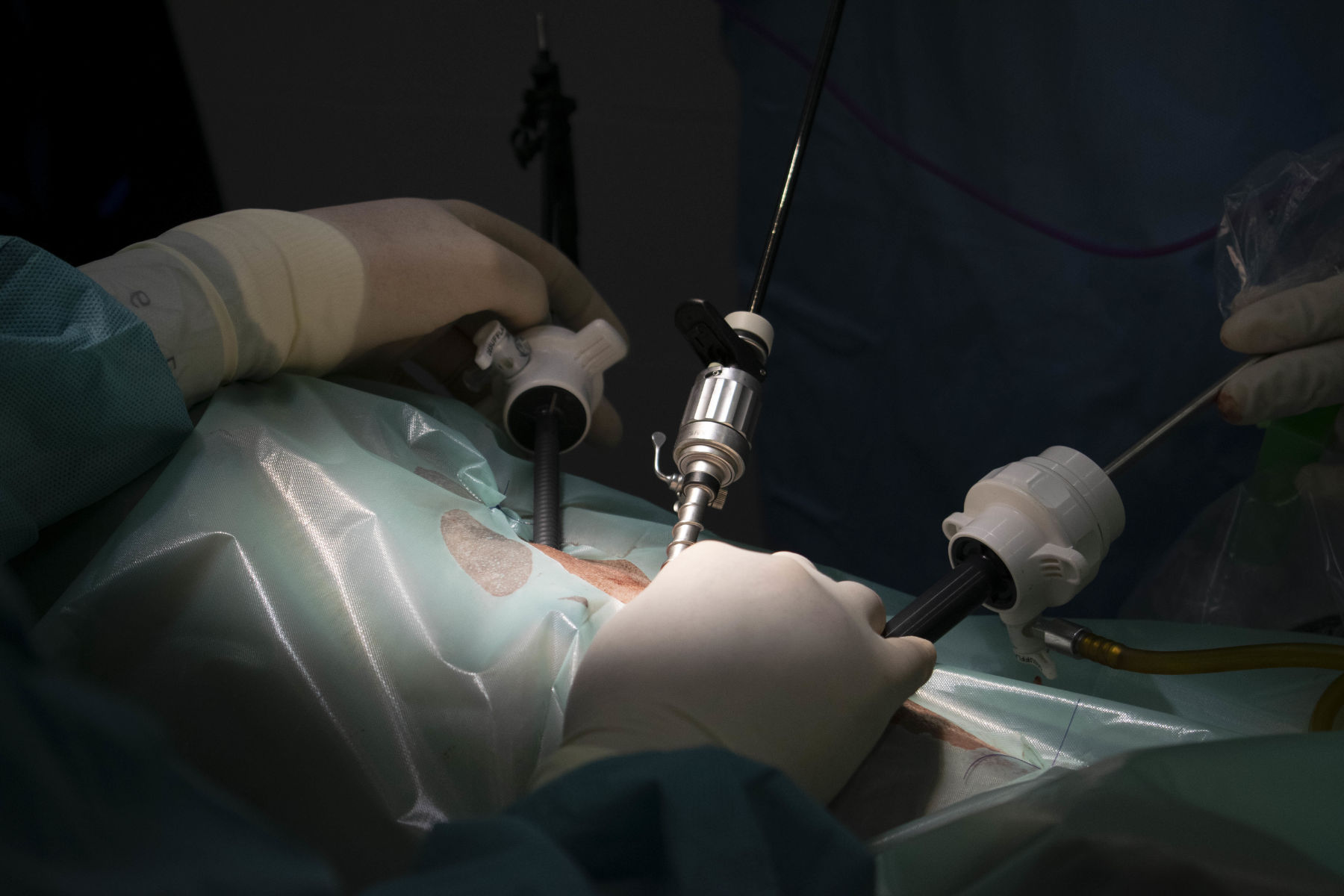
- ACL reconstruction surgery for athletes and those with persistent instability, usually followed by structured rehabilitation
- Early and appropriate rehab — whether operative or nonoperative — improves outcomes and reduces long-term joint damage.
- Even with prevention, ACL tears still occur. If you suspect a tear, early evaluation reduces the risk of further knee damage. Treatment options depend on activity level, knee instability, and associated injuries. Choices include:
Takeaway: protect your knees proactively
-
- ACL injuries are common but many are preventable. The most effective prevention strategies combine neuromuscular training, targeted strength work (especially hamstrings and hip musculature), technique coaching, appropriate warm-up, and sensible load management.
- If you or your athlete participate in pivoting and jumping sports, consider adopting a structured prevention program like FIFA 11+ or work with a trained coach or physical therapist to create an individualized plan.
If you’d like, OrthoEdge El Paso can help you set up a prevention program for your team or evaluate your movement patterns and strength to reduce injury risk. Contact us to schedule a screening or to discuss resources for coaches and athletes.