
Common Sports Injuries in El Paso and How to Prevent Them
El Paso is a city that loves to stay active. From the Friday night lights of high school football and competitive local soccer leagues to weekend warriors hiking and mountain biking the rugged trails of the Franklin Mountains, the Sun City offers endless opportunities for athletes of all levels. However, with this high level of physical activity comes the inevitable risk of sports injuries.
Whether you are a student-athlete aiming for a scholarship, a dedicated runner braving the desert heat, or someone who just enjoys a weekend pickup basketball game, understanding the risks associated with your sport is crucial. That is exactly where the experts at Orthoedge El Paso come in.
In this comprehensive guide, we will explore the most common sports injuries seen locally by the team at Orthoedge El Paso, outline actionable prevention strategies, and explain why seeking early diagnosis and treatment is the key to staying in the game.
The Active Lifestyle in El Paso: A Unique Environment
El Paso’s unique geography and climate play a significant role in the types of sports injuries our local medical professionals treat. The combination of intense summer heat, dry air, and rocky, uneven terrain in our beautiful state parks creates specific challenges for athletes.
Furthermore, El Paso has a deeply rooted sports culture. High-impact collision sports like football, fast-paced directional-change sports like soccer, and endurance sports like trail running are incredibly popular. This diverse athletic landscape means the sports medicine specialists at Orthoedge El Paso see a wide variety of acute and overuse injuries year-round.
Typical Sports Injuries Seen Locally at Orthoedge El Paso
While injuries can happen in any physical activity, certain conditions are particularly prevalent among El Paso athletes. Here are the most common sports injuries treated at our clinic:
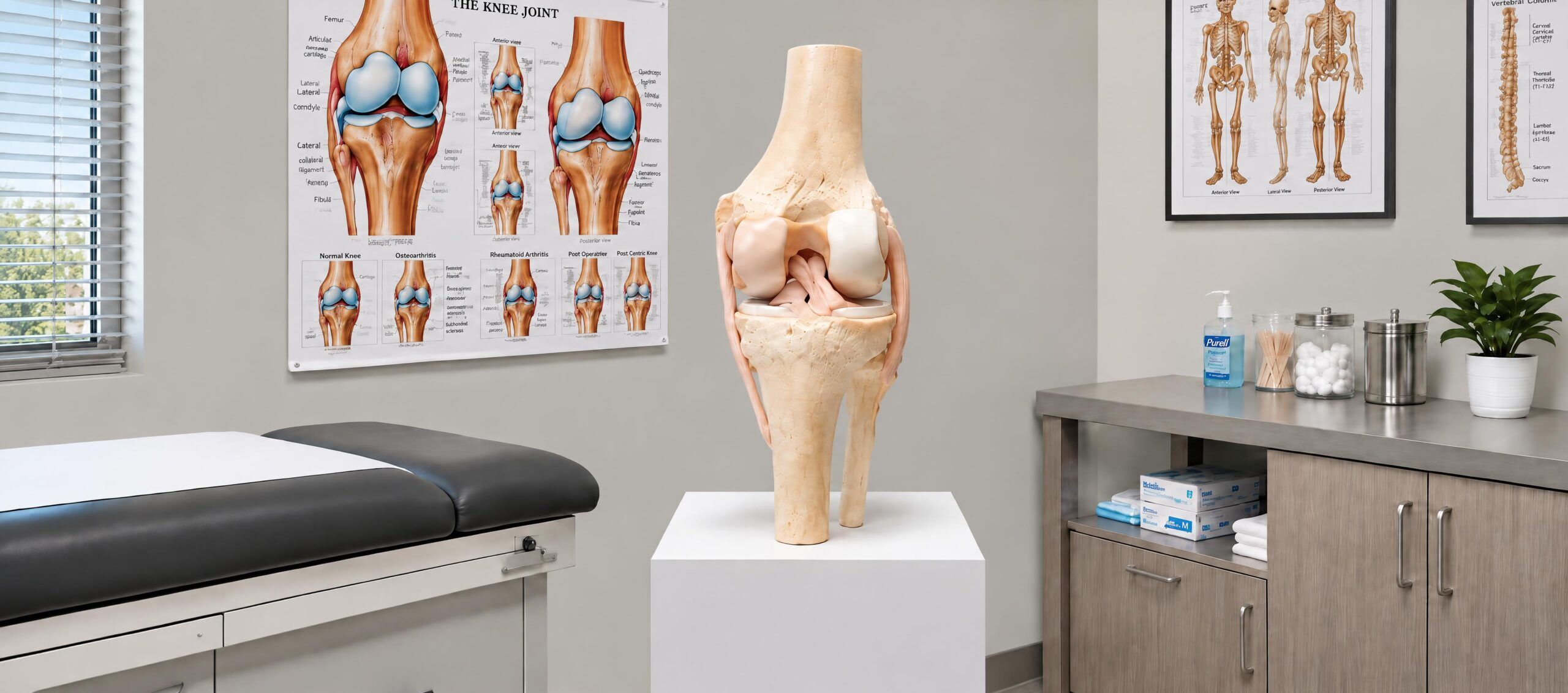
1. ACL Tears and Knee Injuries
The Anterior Cruciate Ligament (ACL) is one of the major stabilizing ligaments in the knee. ACL tears are incredibly common in sports that require sudden stops, jumping, or rapid changes in direction.
- Local Context: At Orthoedge El Paso, we frequently treat ACL injuries in local soccer players, football players, and basketball players. The sudden pivoting required on the field or court puts immense stress on the knee joint.
- Symptoms: A loud "pop" at the moment of injury, severe pain, rapid swelling, and a feeling of instability or the knee "giving out."
2. Ankle Sprains
Ankle sprains occur when the ligaments that support the ankle stretch or tear beyond their normal limits. This is arguably the most common sports injury worldwide, and El Paso is no exception.
- Local Context: Beyond court sports like basketball and volleyball, ankle sprains are highly common among El Paso’s trail runners and hikers navigating the loose rocks and uneven surfaces of the Franklin Mountains.
- Symptoms: Pain, tenderness, swelling, bruising, and restricted range of motion.
3. Bone Fractures
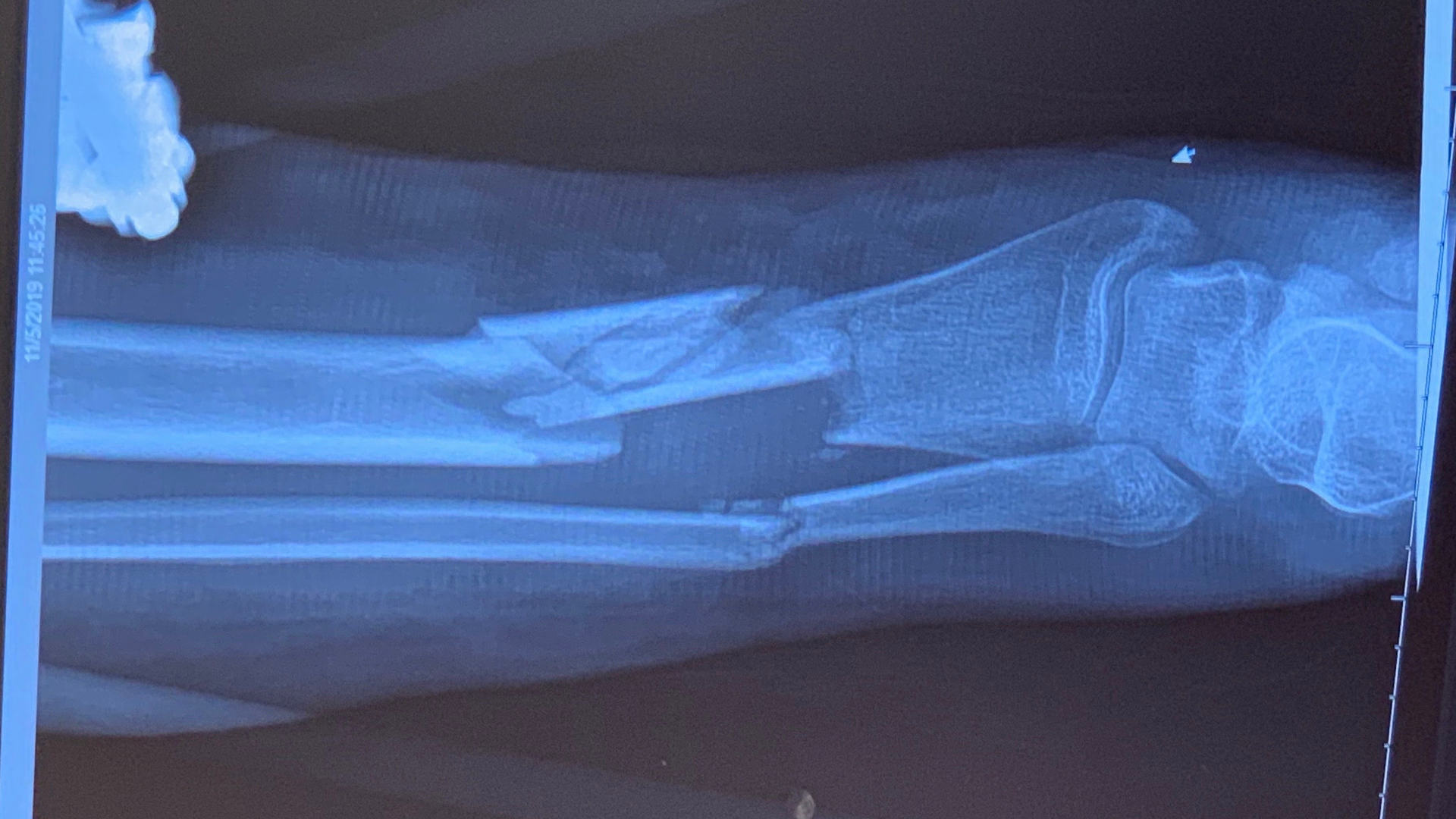
Fractures, or broken bones, can range from hairline stress fractures caused by repetitive impact to severe, acute fractures caused by sudden trauma.
- Local Context: Acute fractures (like collarbone or wrist fractures) are often seen in local mountain bikers who take a spill on rocky trails, or football players taking a hard tackle. Stress fractures are common among long-distance runners training on El Paso’s hard concrete or asphalt surfaces.
- Symptoms: Intense, sharp pain, visible deformity, swelling, and inability to bear weight or use the affected limb.
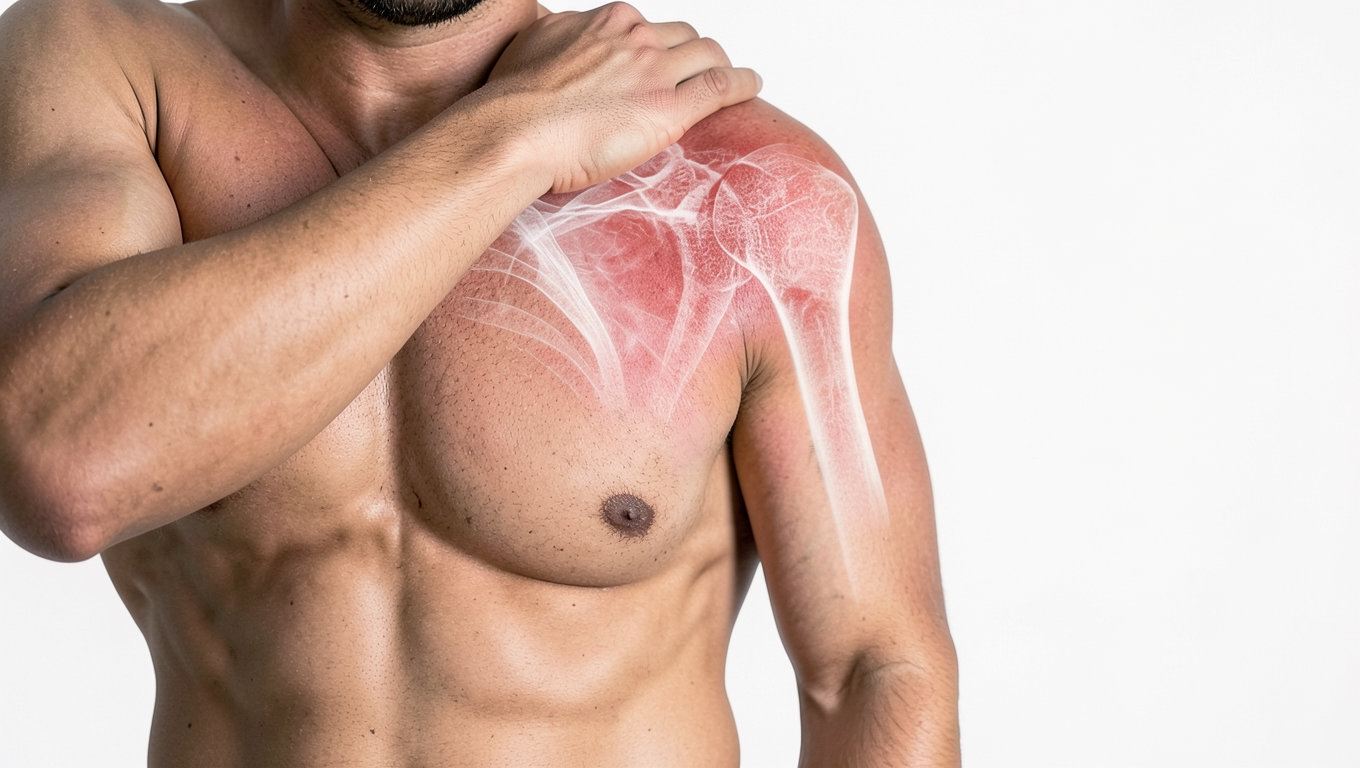
4. Rotator Cuff Injuries and Shoulder Dislocations
The shoulder is a complex, highly mobile joint, making it susceptible to injury. The rotator cuff is a group of muscles and tendons that surround the shoulder joint, keeping the head of your upper arm bone firmly within the shallow socket of the shoulder.
- Local Context: The team at Orthoedge El Paso frequently sees these injuries in local baseball and softball pitchers, tennis players, and swimmers due to repetitive overhead motions.
- Symptoms: A dull ache deep in the shoulder, arm weakness, and difficulty reaching behind your back or overhead.
5. Heat-Related Illnesses and Muscle Cramps
While not a structural injury like a tear or fracture, heat-related issues are a massive concern for athletes in the Chihuahuan Desert.
- Local Context: El Paso summers routinely see temperatures soaring above 100 degrees. Dehydration leads to severe muscle cramping, heat exhaustion, and potentially life-threatening heat stroke during summer training camps and outdoor tournaments.
- Symptoms: Heavy sweating, weakness, dizziness, nausea, muscle spasms, and confusion.
Proven Prevention Strategies for Athletes and Active Individuals
The best way to treat a sports injury is to prevent it from happening in the first place. Whether you are a competitive athlete or a recreational enthusiast, the specialists at Orthoedge El Paso recommend implementing these prevention strategies to keep you healthy and active.
Prioritize a Proper Warm-Up and Cool-Down
Never jump straight into intense physical activity. A cold muscle is a tight muscle, and tight muscles are far more prone to tearing.
- Warm-Up: Spend 10 to 15 minutes doing dynamic stretches (like high knees, lunges, and arm circles) to increase blood flow and prepare your joints for movement.
- Cool-Down: After your workout, engage in static stretching (holding stretches for 20-30 seconds) to improve flexibility and help your heart rate return to normal safely.
Hydration and Heat Management
In El Paso, hydration is a year-round requirement, not just a summer suggestion.
- Drink water consistently throughout the day, not just right before a game.
- If you are exercising for more than an hour, replenish lost electrolytes with a sports drink.
- Try to schedule outdoor workouts during the cooler early morning or late evening hours to avoid the peak desert heat.
Focus on Strength and Conditioning
A well-rounded strength training program is your best armor against sports injuries.
- Strengthening the muscles around your joints (like the quadriceps and hamstrings around the knee) provides better support and absorbs shock that would otherwise impact your ligaments.
- Don't ignore your core; a strong core improves balance and stability, reducing the risk of awkward falls and twists.
Wear the Right Gear and Footwear
Using appropriate, well-fitting equipment is non-negotiable.
- Footwear: Wear shoes designed specifically for your sport. A running shoe lacks the lateral support needed for tennis or basketball, increasing your risk of an ankle sprain. Replace athletic shoes every 300-500 miles or when the tread wears out.
- Protective Gear: Always wear helmets, shin guards, mouthguards, and pads as required by your sport. If you are mountain biking in El Paso, a high-quality helmet and protective pads are essential for the rocky terrain.
Listen to Your Body and Avoid Overtraining
Overtraining syndrome occurs when you push your body beyond its ability to recover. This leads to fatigue, decreased performance, and a high risk of overuse injuries like stress fractures and tendonitis. Incorporate mandatory rest days into your routine and never try to "push through" sharp joint pain.
The Importance of Early Diagnosis and Treatment at Orthoedge El Paso
One of the biggest mistakes athletes make is adopting a "tough it out" mentality. Ignoring pain and continuing to play on an injured limb is a recipe for disaster. Here is why early diagnosis and treatment are absolutely critical:
1. Preventing Further Damage
What starts as a minor strain or a micro-tear can quickly escalate into a complete rupture if left untreated. For example, continuing to run on a minor stress fracture can cause the bone to break completely, turning a 4-week recovery into a 4-month ordeal requiring surgery.
2. Faster and More Effective Recovery
When you seek medical attention at Orthoedge El Paso immediately after an injury, our specialists can implement the proper protocols and prescribe physical therapy right away. Early intervention reduces inflammation quickly, prevents the buildup of stiff scar tissue, and accelerates the body's natural healing process.
3. Avoiding Chronic Pain and Compensatory Injuries
If you injure your right knee and don't get it treated, you will naturally start favoring your left leg to avoid the pain. This altered biomechanics puts unnatural stress on your "good" leg, your hips, and your lower back. Over time, this leads to compensatory injuries and chronic pain that can sideline you indefinitely.
4. Accurate Treatment Plans
Not all knee pain is an ACL tear, and not all shoulder pain is a rotator cuff issue. Self-diagnosing via the internet can lead to improper rehabilitation exercises that actually worsen your condition. The sports medicine professionals at Orthoedge El Paso utilize advanced physical exams and imaging to pinpoint the exact issue and create a customized, effective treatment plan tailored to your specific sport and goals.
Conclusion: Stay Safe and Active in the Sun City
El Paso is a fantastic place to be an athlete, offering diverse landscapes and a passionate sports community. By understanding the common injuries associated with your favorite activities, committing to proper prevention strategies, and respecting the desert climate, you can significantly reduce your risk of getting hurt.
Remember, pain is your body's warning system. If you experience an injury, do not ignore it. Contact Orthoedge El Paso today for a professional medical evaluation to ensure you can return to the field, court, or trail safely and stronger than ever.