
Fractures can disrupt your life in an instant—whether from a sports injury, a fall, or an accident. At OrthoEdge in El Paso, Dr. William Arroyo and our orthopedic team specialize in advanced fracture management, using state-of-the-art techniques to ensure you heal faster and with fewer complications. In this article, we’ll explore the types of fractures commonly treated, the latest surgical methods, the role of personalized rehabilitation, and why timely intervention is crucial for the best outcomes.
Types of Fractures Commonly Treated at OrthoEdge
Fractures can vary widely in their severity and complexity. At OrthoEdge, we see and treat a broad range of fracture types, including:
1. Complex Fractures
Complex fractures involve multiple breaks or fragments, often affecting joints or long bones such as the femur, tibia, or humerus. These fractures typically occur from high-impact trauma, like car accidents or severe falls. They require specialized expertise to restore proper alignment and function.
2. Sports-Related Fractures
Active individuals and athletes are at risk for fractures due to sudden impacts, twisting injuries, or overuse. Common sports-related fractures include:
- Stress fractures: Tiny cracks in the bone from repetitive force (often seen in runners)
- Greenstick fractures: Partial breaks common in children and young athletes
- Displaced fractures: Where bone fragments are out of alignment, often requiring surgical intervention
3. Open (Compound) and Closed Fractures
- Open fractures: The bone breaks through the skin, increasing the risk of infection and requiring immediate treatment.
- Closed fractures: The bone breaks but the skin remains intact, though internal damage can still be significant.
4. Comminuted and Oblique Fractures
- Comminuted fractures: The bone shatters into three or more pieces, often requiring advanced surgical repair.
- Oblique fractures: These occur at an angle and may be more unstable, depending on the location and force of injury.
No matter the type, prompt and expert care is essential to prevent complications and ensure optimal healing.
Modern Surgical Techniques Used at OrthoEdge
Advancements in orthopedic surgery have revolutionized fracture care, making procedures safer, less invasive, and more effective. At OrthoEdge, Dr. Arroyo employs the latest surgical techniques tailored to each patient’s needs:
1. Internal Fixation
Internal fixation involves stabilizing broken bones using metal plates, screws, rods, or pins. This method provides strong support, allowing for early movement and faster recovery. Internal fixation is especially beneficial for complex or displaced fractures, as it restores proper alignment and function.
2. Minimally Invasive Surgery
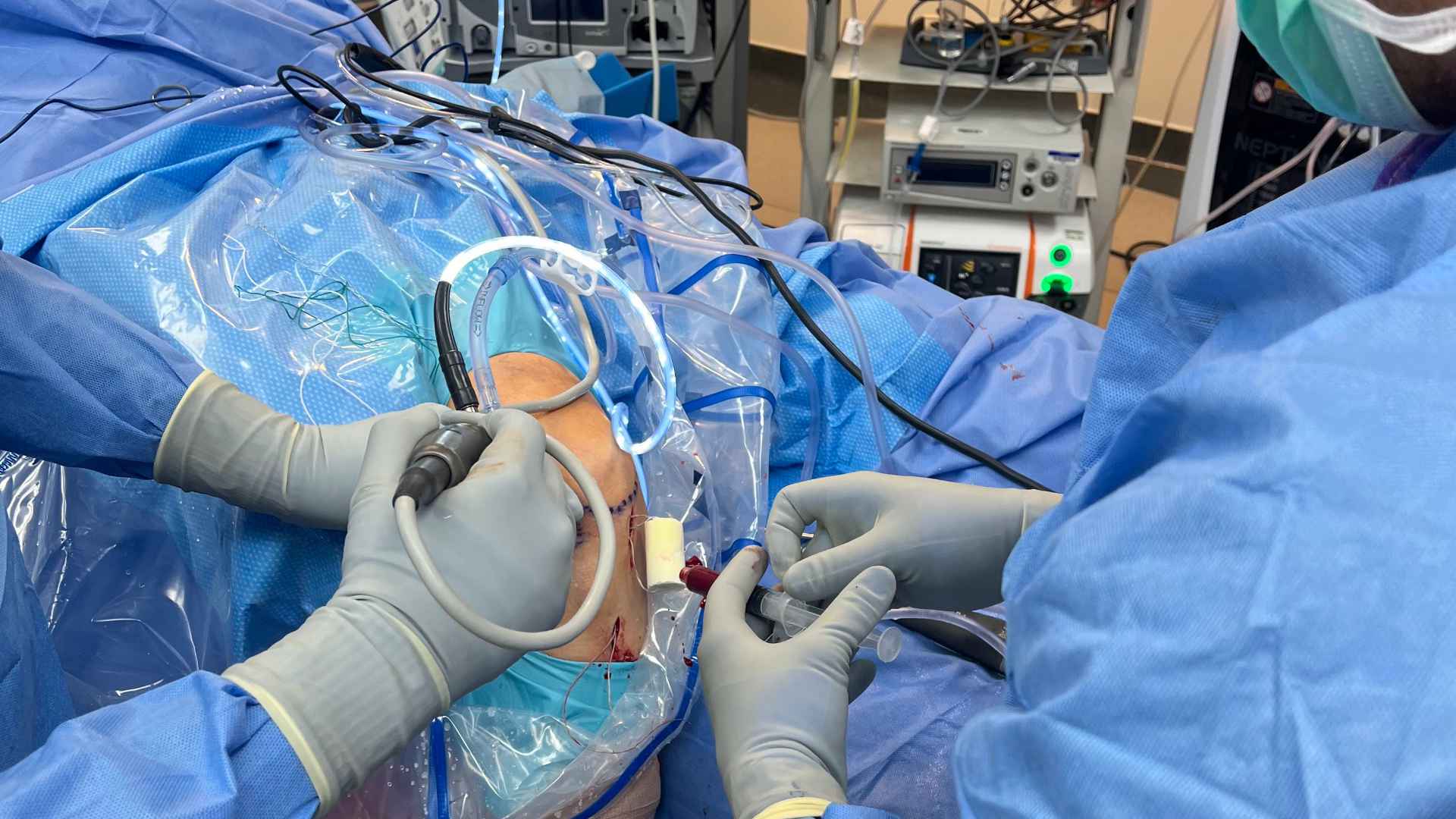
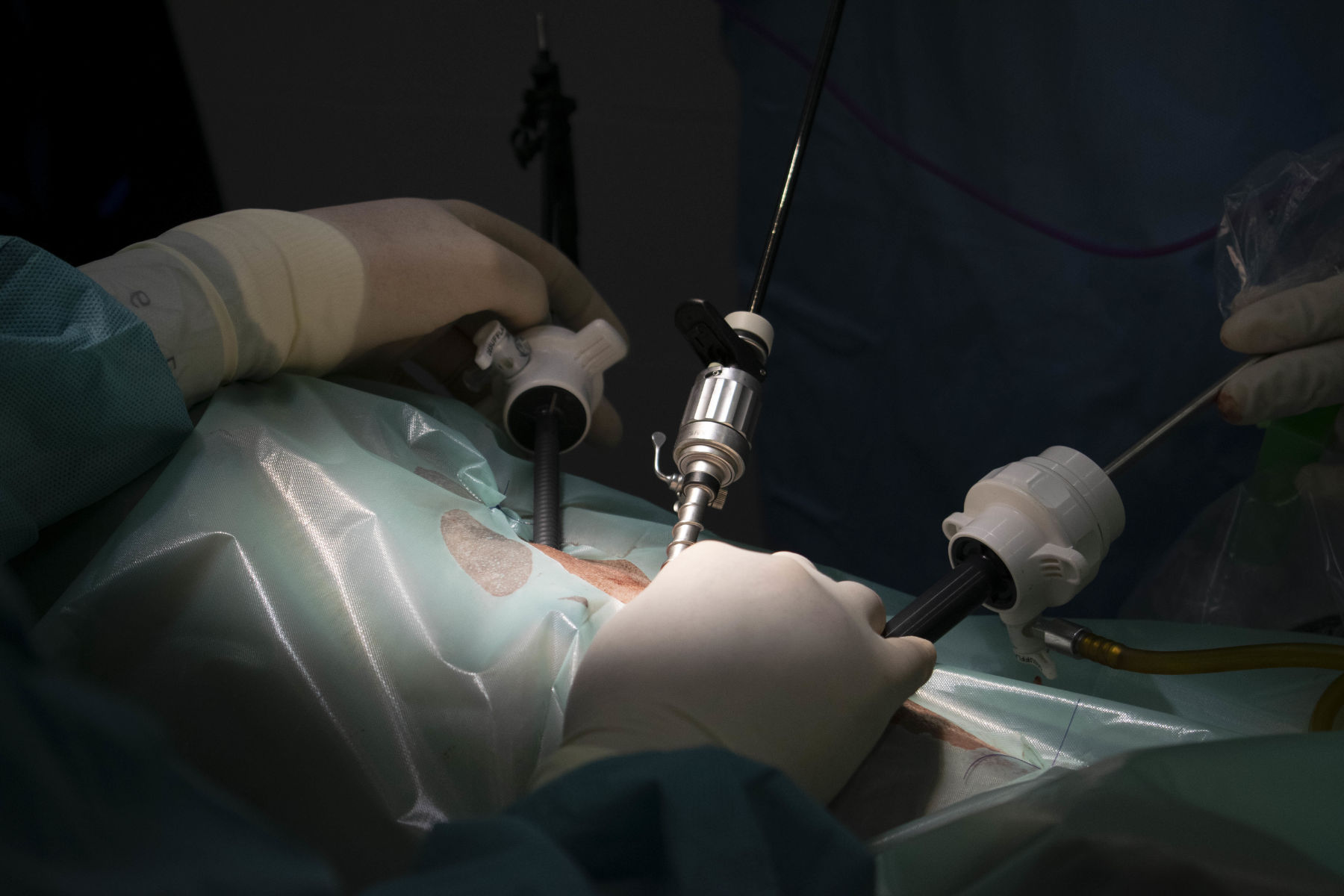
Whenever possible, Dr. Arroyo utilizes minimally invasive approaches, such as percutaneous fixation or arthroscopically assisted fracture repair. These techniques use smaller incisions, specialized instruments, and advanced imaging, resulting in:
- Reduced soft tissue damage
- Less postoperative pain
- Lower risk of infection
- Quicker return to daily activities
3. Advanced Imaging and Navigation
State-of-the-art imaging (X-ray, CT, MRI) and intraoperative navigation tools allow for precise fracture assessment and real-time guidance during surgery. This accuracy improves outcomes and reduces the likelihood of future complications.
4. Customized Implants and Biologics
In select cases, Dr. Arroyo may use patient-specific implants or biologic materials (such as bone grafts or growth factors) to enhance bone healing, especially in complex or non-healing fractures.
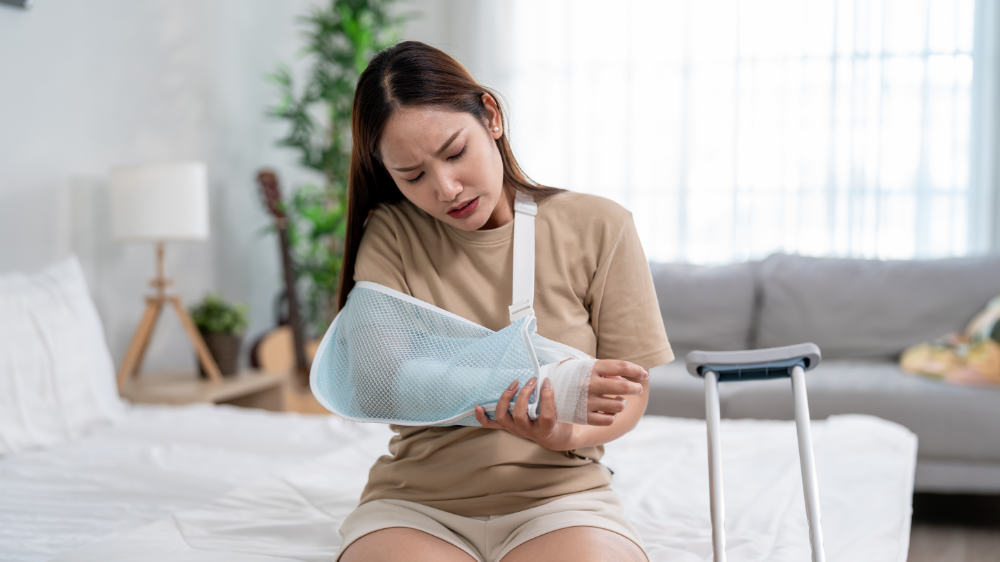
The Role of Personalized Rehabilitation in Fracture Recovery
Surgery is only one part of the healing process. At OrthoEdge, we emphasize a comprehensive, personalized rehabilitation plan tailored to each patient’s injury, lifestyle, and goals.
1. Early Mobilization
With stable fixation and minimally invasive techniques, many patients can begin gentle movement and weight-bearing sooner, which helps:
- Prevent joint stiffness
- Preserve muscle strength
- Reduce swelling and scar tissue formation
2. Physical Therapy
A skilled physical therapist guides you through exercises to restore range of motion, flexibility, and strength. Rehabilitation is customized based on the type of fracture, surgical approach, and your individual progress.
3. Functional Training
For athletes and active individuals, sport-specific or activity-specific training ensures a safe return to play or work. This phase focuses on balance, agility, and coordination, reducing the risk of re-injury.
4. Ongoing Monitoring
Dr. Arroyo and the OrthoEdge team closely monitor your healing with follow-up visits and imaging, adjusting your rehab plan as needed to optimize results.
Importance of Timely Intervention to Avoid Long-Term Issues
Delaying fracture treatment or receiving suboptimal care can lead to serious long-term complications, including:
- Malunion: Bones heal in the wrong position, causing deformity or loss of function
- Nonunion: The fracture fails to heal, requiring further surgery
- Chronic pain and stiffness: Resulting from poor alignment, joint damage, or nerve injury
- Arthritis: Especially in fractures involving joints
At OrthoEdge, we stress the importance of seeking expert care as soon as possible after an injury. Early and accurate diagnosis, combined with advanced management, minimizes these risks and sets the stage for a successful recovery.
Patient Outcomes and Success Rates
Advanced fracture management at OrthoEdge delivers outstanding results for patients in El Paso and the surrounding communities. Our commitment to evidence-based techniques, personalized care, and close follow-up leads to:
- Faster healing times: Many patients return to work, sports, or daily activities sooner than with traditional methods.
- Lower complication rates: Reduced risk of infection, malunion, and chronic pain.
- High patient satisfaction: Patients consistently report positive experiences and excellent functional outcomes.
While every case is unique, our approach is designed to help you regain full function and quality of life after a fracture.
Conclusion: Advanced Fracture Management Ensures Faster Healing and Fewer Complications
Fractures don’t have to mean long-term disability or chronic pain. With advanced fracture management at OrthoEdge in El Paso, you benefit from the latest surgical innovations, personalized rehabilitation, and a dedicated team focused on your recovery. Our goal is to help you heal quickly, avoid complications, and return to the activities you love.
Call to Action:
If you or a loved one has suffered a fracture, don’t wait. Consult with Dr. William Arroyo at OrthoEdge to get expert care and the best chance for a full recovery. Schedule your appointment today!
Frequently Asked Questions (FAQ)
Q1: What types of fractures require surgery?
A: Complex, displaced, open, or non-healing fractures often require surgical intervention for proper alignment and healing.
Q2: How long does it take to recover from a fracture?
A: Recovery time varies by fracture type and treatment, but advanced management often shortens healing time and speeds return to normal activities.
Q3: Is minimally invasive fracture surgery available in El Paso?
A: Yes, OrthoEdge offers minimally invasive surgical options for eligible patients, resulting in less pain and faster recovery.
Q4: Why is early treatment important for fractures?
A: Timely intervention prevents complications like malunion, nonunion, and chronic pain, ensuring better long-term outcomes.
Q5: What should I expect during fracture rehabilitation?
A: Rehabilitation includes physical therapy, functional training, and regular follow-up to monitor healing and adjust your plan as needed.
Q6: How can I schedule an appointment at OrthoEdge?
A: Visit our contact page or call our office to book your consultation with Dr. Arroyo.