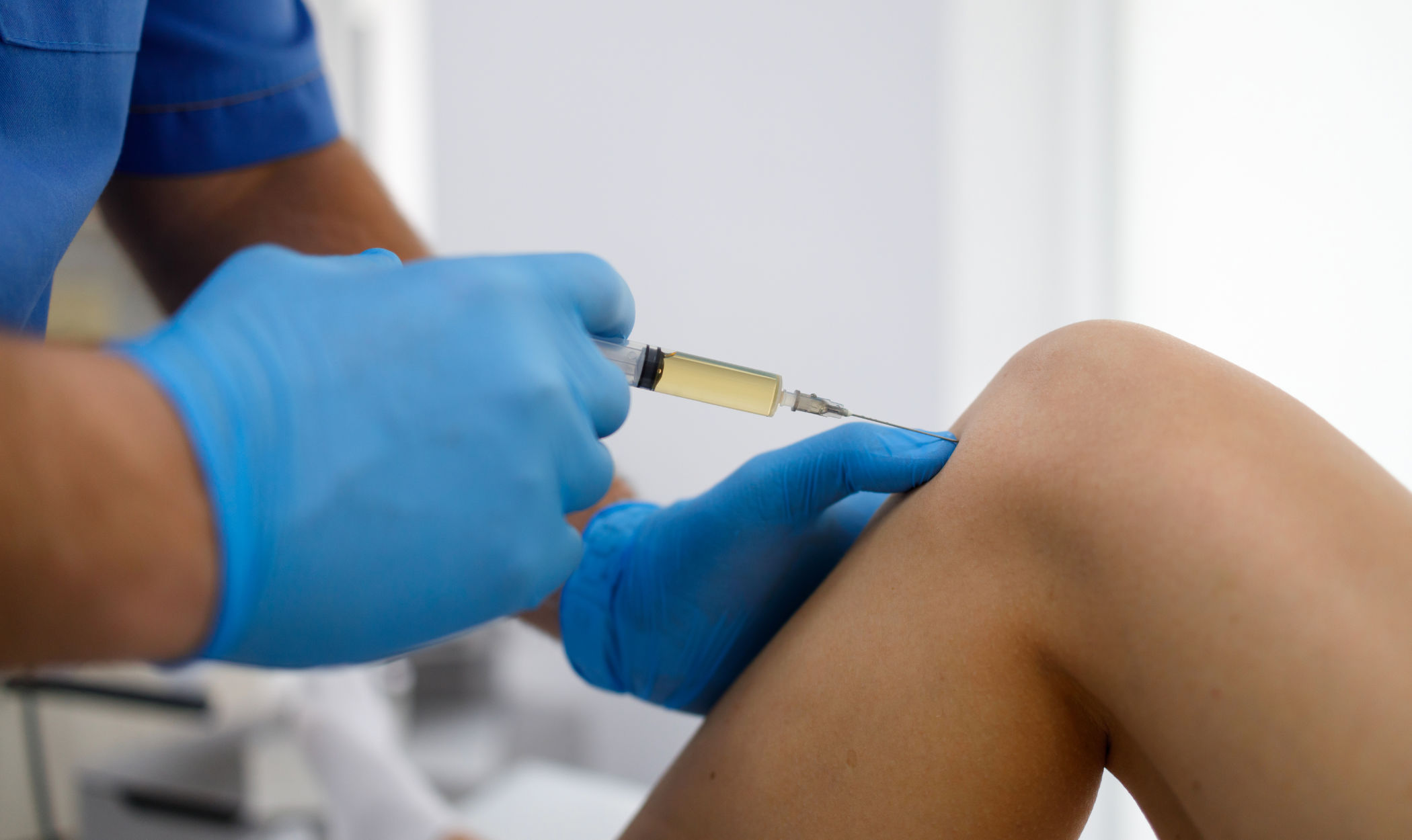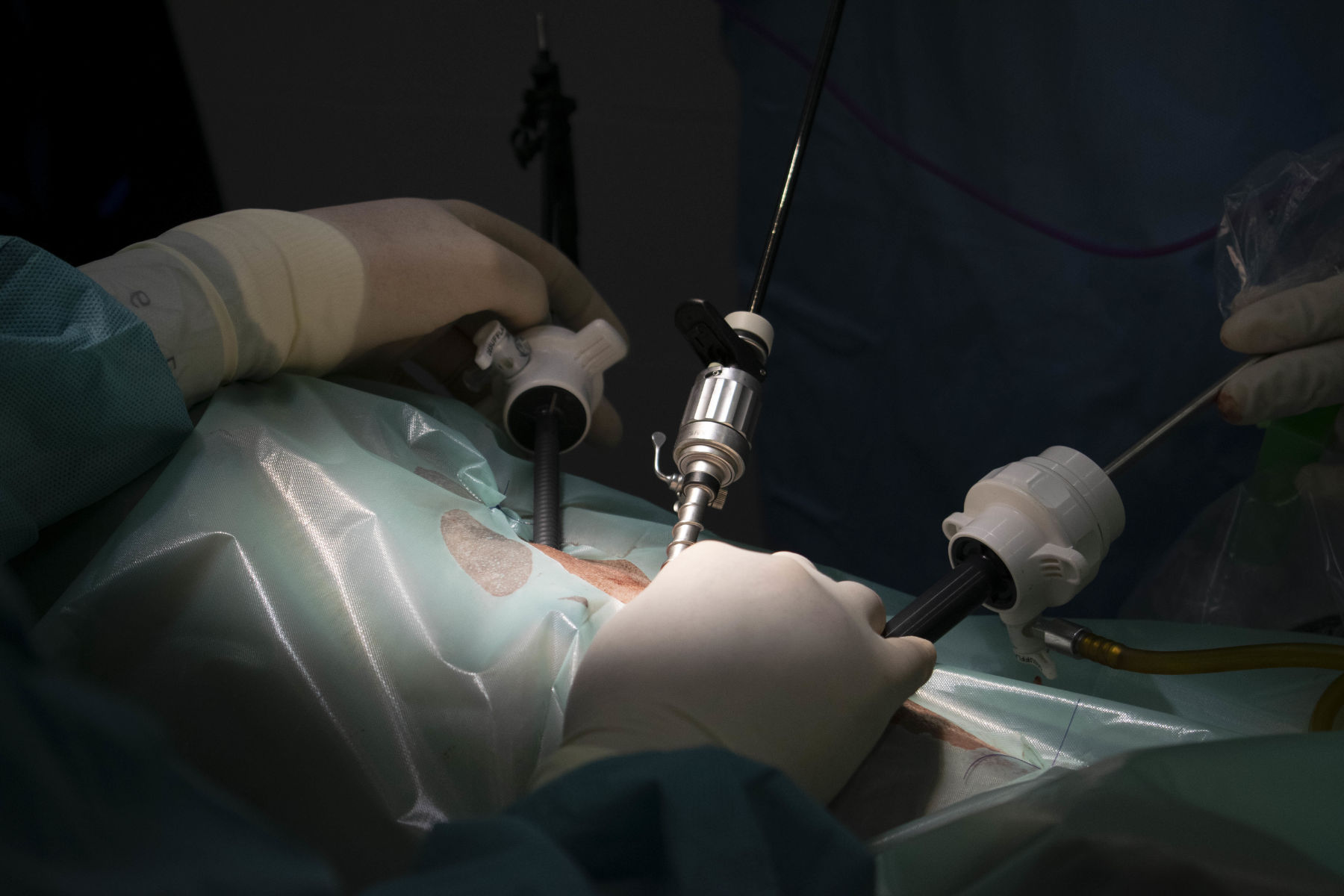

Chronic knee pain can significantly impact your quality of life, making everyday activities like walking, climbing stairs, or even sleeping a challenge. When conservative treatments no longer provide relief, knee replacement surgery (also known as total knee arthroplasty) can be a life-changing solution. At OrthoEdge in El Paso, Dr. William Arroyo and our dedicated team are committed to guiding you through every step of this journey, from initial consultation to full recovery.
This comprehensive guide will walk you through what to expect before, during, and after knee replacement surgery, helping you feel informed and prepared for a successful outcome.
Indications for Knee Replacement: When is it Time?
Knee replacement surgery is a major decision, typically considered when severe knee pain and disability persist despite non-surgical interventions. The primary reasons patients explore this option include:
1. Osteoarthritis (Degenerative Joint Disease)
This is the most common reason for knee replacement. Osteoarthritis occurs when the cartilage that cushions your knee joint wears away over time, leading to bone-on-bone friction, pain, stiffness, and swelling. As the condition progresses, it can severely limit mobility and cause constant discomfort.
2. Rheumatoid Arthritis
An autoimmune disease, rheumatoid arthritis causes chronic inflammation that can damage cartilage and bone, leading to pain, swelling, and joint deformity. Knee replacement can alleviate pain and improve function in affected knees.
3. Post-Traumatic Arthritis
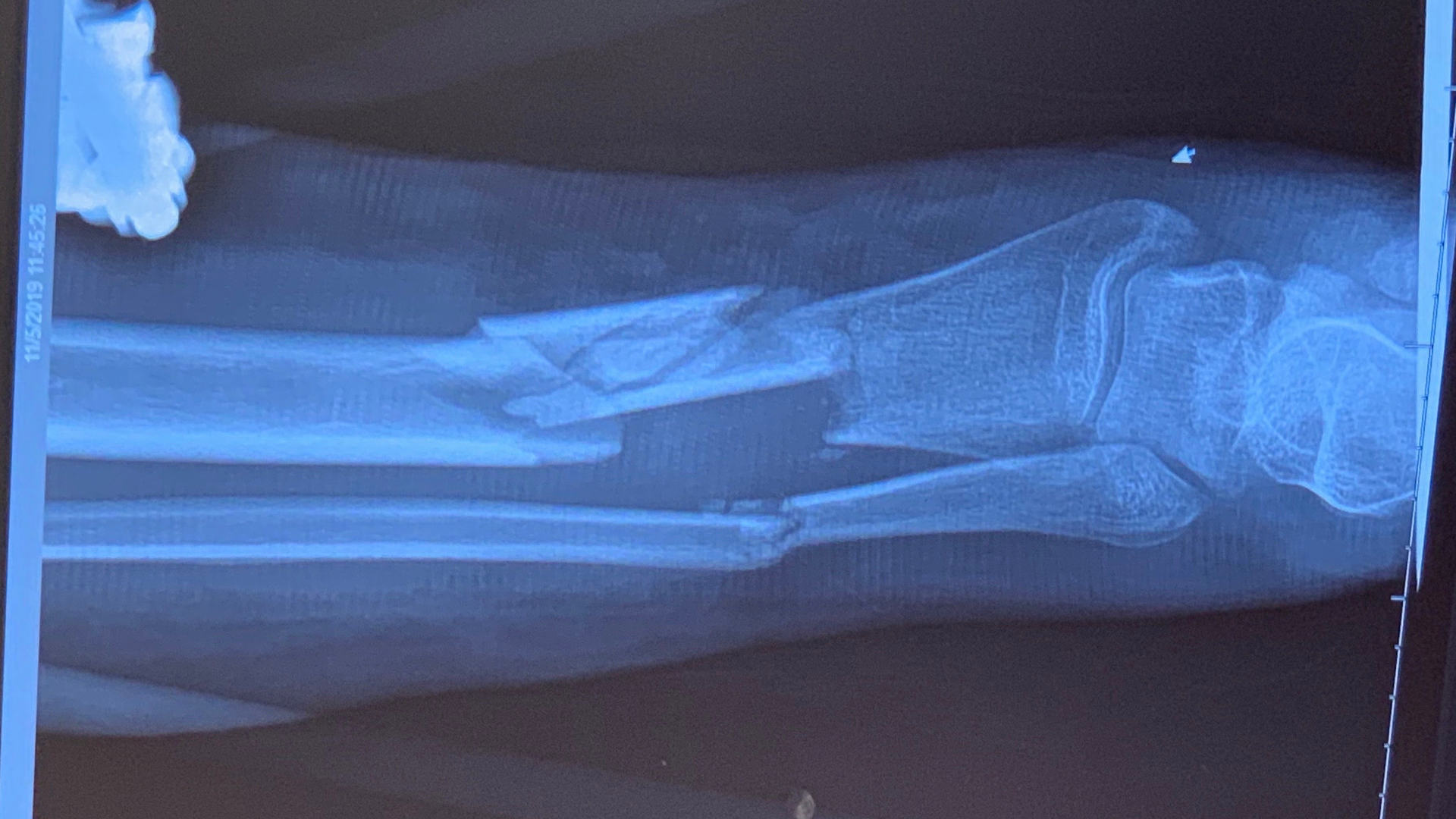
This type of arthritis develops after a severe knee injury, such as a fracture, ligament tear, or meniscus damage. The injury can accelerate cartilage breakdown, eventually leading to symptoms similar to osteoarthritis.
4. Other Conditions
Less common indications include:
- Avascular Necrosis: Bone tissue death due to lack of blood supply.
- Bone Tumors: In rare cases, tumors in or around the knee joint may necessitate replacement.
- Severe Knee Deformity: Conditions that cause significant bowing or knocking of the knees, leading to pain and functional impairment.
Injury Severity and Failed Conservative Treatments
Before recommending surgery, Dr. Arroyo will thoroughly evaluate your condition. This typically involves:
- A detailed medical history and physical examination.
- X-rays to assess the extent of joint damage.
- Review of previous treatments, such as physical therapy, medications (anti-inflammatories, pain relievers), corticosteroid injections, viscosupplementation, or lifestyle modifications.
Knee replacement is generally reserved for patients whose pain is debilitating, significantly interferes with daily activities, and has not responded to at least six months of conservative management.
Overview of the Surgical Process and Implant Technology
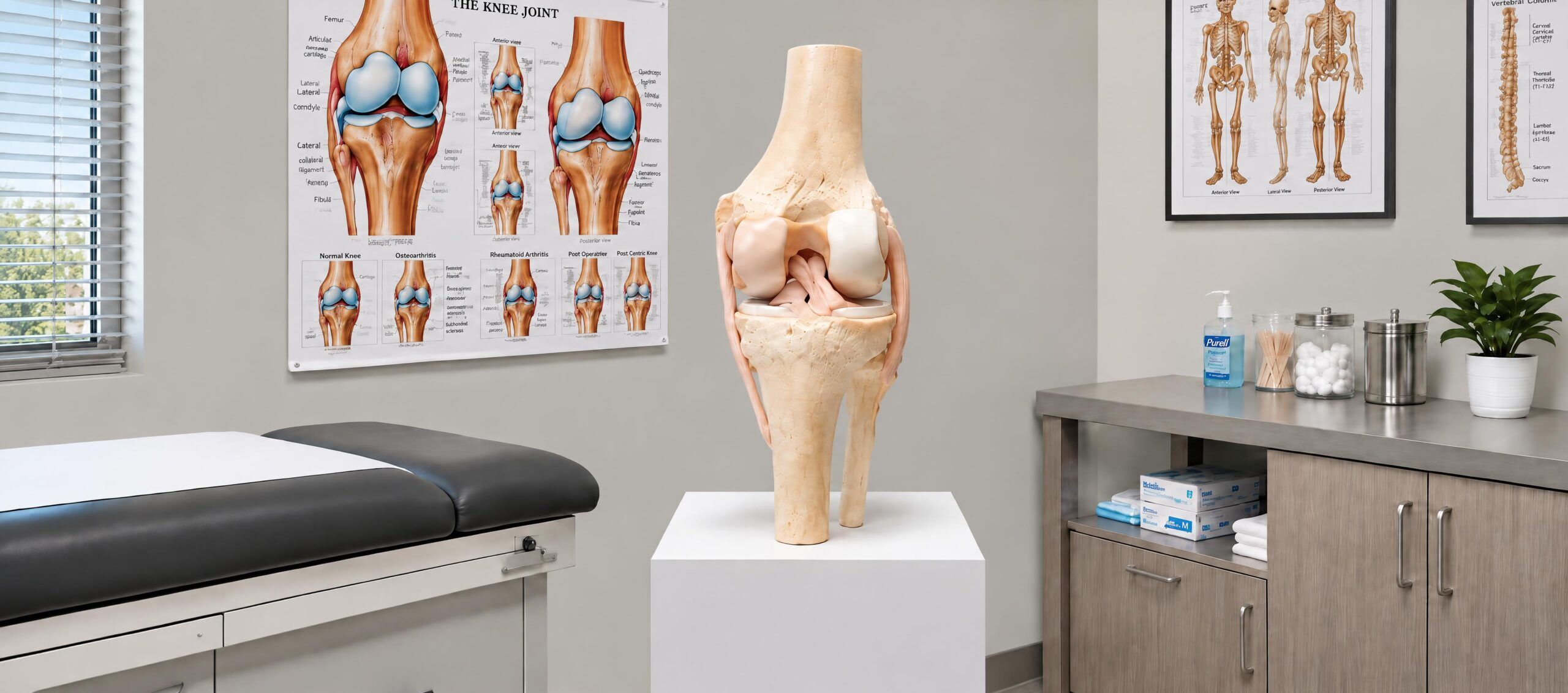
Modern knee replacement surgery is a highly refined procedure designed to replace damaged portions of the knee joint with artificial components, or prostheses.
The Surgical Process
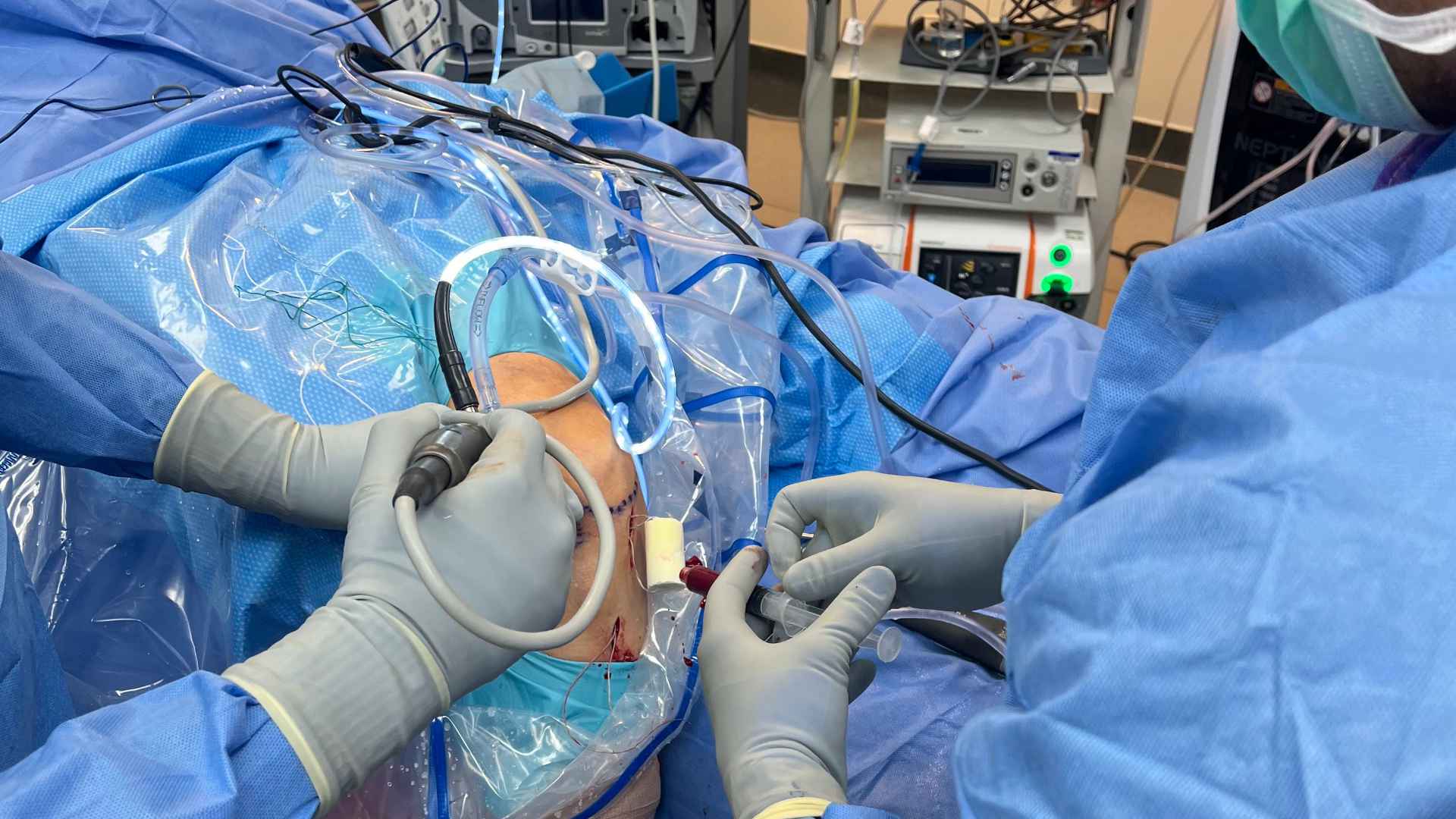
The procedure typically takes 1-2 hours and involves the following steps:
- Anesthesia: You will receive either general anesthesia (you'll be asleep) or regional anesthesia (spinal or epidural, numbing you from the waist down, while you remain awake but sedated).
- Incision: Dr. Arroyo will make an incision, usually about 6-10 inches long, over the front of your knee.
- Bone Resection: The damaged cartilage and a small amount of underlying bone are precisely removed from the end of the thigh bone (femur) and the top of the shin bone (tibia).
- Implant Placement:
- A metal component is fitted onto the end of the femur.
- A metal component with a durable plastic (polyethylene) insert is placed on the top of the tibia.
- In some cases, the kneecap (patella) may also be resurfaced with a plastic component.
- Alignment and Testing: Dr. Arroyo will carefully check the fit and alignment of the new joint, ensuring proper motion and stability.
- Closure: The incision is closed with sutures or staples, and a sterile dressing is applied.
Advanced Implant Technology
Today's knee implants are highly durable and designed to mimic the natural motion of a healthy knee. They are typically made from:
- Metal Alloys: Often cobalt-chromium or titanium, for the femoral and tibial components. These are biocompatible and strong.
- High-Grade Plastics: Ultra-high molecular weight polyethylene is used for the bearing surface between the metal components, providing a smooth, low-friction glide.
Implants come in various sizes and designs to match individual patient anatomy. Some advanced options include:
- Gender-Specific Implants: Designed to better fit the anatomical differences between male and female knees.
- Custom Implants: In rare cases, implants can be custom-made for unique anatomical challenges.
- Minimally Invasive Implants: Designed for smaller incisions, though the fundamental procedure remains the same.
Dr. Arroyo will select the most appropriate implant technology based on your specific needs, bone quality, and activity level.
Preoperative Preparation Tips for Patients
Preparing for knee replacement surgery is crucial for a smooth procedure and optimal recovery. At OrthoEdge, we emphasize a proactive approach to preparation.
1. Medical Evaluation
- Comprehensive Check-up: You'll undergo a thorough medical evaluation with your primary care physician to ensure you are healthy enough for surgery. This may include blood tests, an electrocardiogram (ECG), and a chest X-ray.
- Medication Review: Discuss all medications, supplements, and herbal remedies with Dr. Arroyo and your primary care doctor. You may need to stop certain medications (like blood thinners) before surgery.
- Dental Check-up: It's recommended to address any dental issues before surgery to reduce the risk of infection spreading to the new joint.
2. Physical Preparation
- Pre-Habilitation (Pre-hab): Engaging in a pre-surgical exercise program can significantly improve your strength and flexibility, leading to a faster recovery. Your physical therapist may guide you through exercises to strengthen your quadriceps and hamstrings.
- Weight Management: If you are overweight, losing even a small amount of weight can reduce stress on your knee and decrease surgical risks.
- Quit Smoking: Smoking can impair healing and increase complication risks.
3. Home Preparation
- Arrange Support: Line up family or friends to assist you with daily tasks (cooking, cleaning, transportation) during the initial weeks of recovery.
- Modify Your Home:
- Remove tripping hazards like loose rugs.
- Install grab bars in the bathroom and a raised toilet seat.
- Set up a recovery area downstairs if your bedroom is upstairs.
- Ensure frequently used items are within easy reach.
- Consider a shower chair or bench.
- Prepare Meals: Cook and freeze meals in advance for convenience during recovery.
- Gather Equipment: You will likely need assistive devices such as crutches, a walker, or a cane. Your physical therapist will advise you on what to obtain.
4. Mental and Emotional Preparation
- Ask Questions: Don't hesitate to ask Dr. Arroyo and the OrthoEdge team any questions you have. Understanding the process reduces anxiety.
- Set Realistic Expectations: Recovery takes time and effort. Be patient with yourself and celebrate small victories.
Postoperative Recovery Timeline and Physical Therapy Importance
Recovery from knee replacement surgery is a journey that requires commitment and patience. Physical therapy is the cornerstone of successful rehabilitation.
Immediate Postoperative Period (Hospital Stay: 1-3 days)
- Pain Management: You'll receive medication to manage pain.
- Early Mobilization: A physical therapist will typically have you up and walking with assistance (walker or crutches) within 24 hours of surgery. This is crucial for preventing blood clots and improving circulation.
- Exercises: You'll begin gentle range-of-motion exercises to prevent stiffness and strengthen your muscles.
First Few Weeks (Home Recovery: Weeks 1-6)
- Physical Therapy: This is the most intensive phase. You'll likely have outpatient physical therapy sessions several times a week, combined with a home exercise program. Focus will be on:
- Regaining full knee extension and flexion.
- Strengthening the muscles around the knee.
- Improving balance and gait.
- Pain and Swelling: Expect some pain and swelling, which will gradually decrease. Use ice packs and elevation to manage swelling.
- Activity Restrictions: Avoid twisting your knee, heavy lifting, and high-impact activities.
- Driving: Most patients can resume driving after 4-6 weeks, once they are off pain medication and have regained sufficient strength and reaction time.
Intermediate Recovery (Months 2-6)
- Continued PT: Physical therapy will continue, transitioning to more advanced strengthening, balance, and functional exercises.
- Increased Activity: You'll gradually return to most normal daily activities. Low-impact activities like walking, swimming, and cycling are encouraged.
- Full Range of Motion: Most patients achieve a good range of motion by this stage.
Long-Term Recovery (6 Months and Beyond)
- Full Recovery: While much of the recovery happens in the first few months, full strength and endurance can take up to a year or more.
- Maintenance: Continue with a regular exercise program to maintain strength and flexibility.
- Follow-up: Regular follow-up appointments with Dr. Arroyo will monitor the health of your new knee.
The Importance of Physical Therapy: Physical therapy is not optional; it's essential. It helps you:
- Restore range of motion and flexibility.
- Rebuild muscle strength.
- Improve balance and coordination.
- Learn how to safely move and protect your new joint.
- Reduce pain and swelling.
- Accelerate your return to daily activities.
Adhering to your physical therapy program is the single most important factor in achieving a successful outcome from your knee replacement surgery.
Long-Term Benefits and Risks of Knee Replacement
Knee replacement surgery has a high success rate and can dramatically improve quality of life for many patients. However, like any major surgery, it comes with potential benefits and risks.
Long-Term Benefits
- Significant Pain Relief: For the vast majority of patients, knee replacement provides substantial relief from chronic pain, often eliminating it entirely.
- Improved Mobility and Function: You'll regain the ability to walk, stand, and perform daily activities with greater ease and comfort.
- Enhanced Quality of Life: With reduced pain and improved mobility, you can enjoy a more active and fulfilling lifestyle, participating in hobbies and social activities you may have given up.
- Correction of Deformity: The surgery can correct knee deformities, leading to better alignment and gait.
- Long-Lasting Results: Modern knee implants are designed to last 15-20 years or more for 85-90% of patients.
Potential Risks and Complications
While serious complications are rare, it's important to be aware of them:
- Infection: Though uncommon (less than 1%), infection can occur at the surgical site or around the implant.
- Blood Clots: Deep vein thrombosis (DVT) in the leg or pulmonary embolism (PE) in the lung can occur. Measures like blood thinners and early mobilization help prevent this.
- Nerve or Blood Vessel Damage: Rare, but can occur during surgery.
- Implant Loosening or Wear: Over time, the artificial joint components can loosen or wear out, potentially requiring revision surgery.
- Stiffness or Limited Range of Motion: Despite physical therapy, some patients may not regain full flexibility.
- Persistent Pain: A small percentage of patients may experience some residual pain after surgery.
- Allergic Reaction: To implant materials or anesthesia.
- Fracture: A fracture can occur around the implant during or after surgery.
Dr. Arroyo will discuss all potential risks and benefits with you in detail, ensuring you make an informed decision. The OrthoEdge team takes every precaution to minimize these risks and ensure your safety.
Conclusion: Knee Replacement Surgery Can Restore Mobility and Relieve Pain When Conservative Treatments Fail, With Modern Techniques Ensuring Better Outcomes.
Living with chronic knee pain doesn't have to be your reality. For many individuals in El Paso, knee replacement surgery offers a highly effective pathway to renewed mobility, significant pain relief, and an improved quality of life. With advancements in surgical techniques, implant technology, and personalized rehabilitation, the outcomes for knee replacement patients are better than ever. At OrthoEdge, Dr. William Arroyo combines expertise with compassionate care to guide you through every phase of this transformative procedure, helping you get back to the activities you love.
Call to Action: If persistent knee pain is limiting your life, don't wait. Book a consultation with Dr. William Arroyo at OrthoEdge in El Paso to discuss if knee replacement surgery is the right option for you. Take the first step towards a pain-free future. Schedule your appointment today!
Frequently Asked Questions (FAQ)
Q1: How long does a knee replacement last? A: Most modern knee replacements are designed to last 15-20 years or more, with many lasting even longer.
Q2: Will I feel pain after knee replacement surgery? A: You will experience some pain and discomfort, but it will be managed with medication. Pain typically decreases significantly over the first few weeks and months.
Q3: How soon can I walk after knee replacement? A: Most patients are encouraged to stand and walk with assistance within 24 hours of surgery as part of their early rehabilitation.
Q4: What activities can I do after knee replacement? A: You can typically return to low-impact activities like walking, swimming, cycling, and golf. High-impact sports are generally not recommended.
Q5: Is knee replacement surgery safe? A: Knee replacement is a common and generally safe procedure. Dr. Arroyo and the OrthoEdge team take extensive measures to minimize risks, which will be discussed during your consultation.
Q6: How can I schedule a consultation with Dr. Arroyo for knee pain? A: You can visit our contact page or call our El Paso office directly to schedule your appointment.