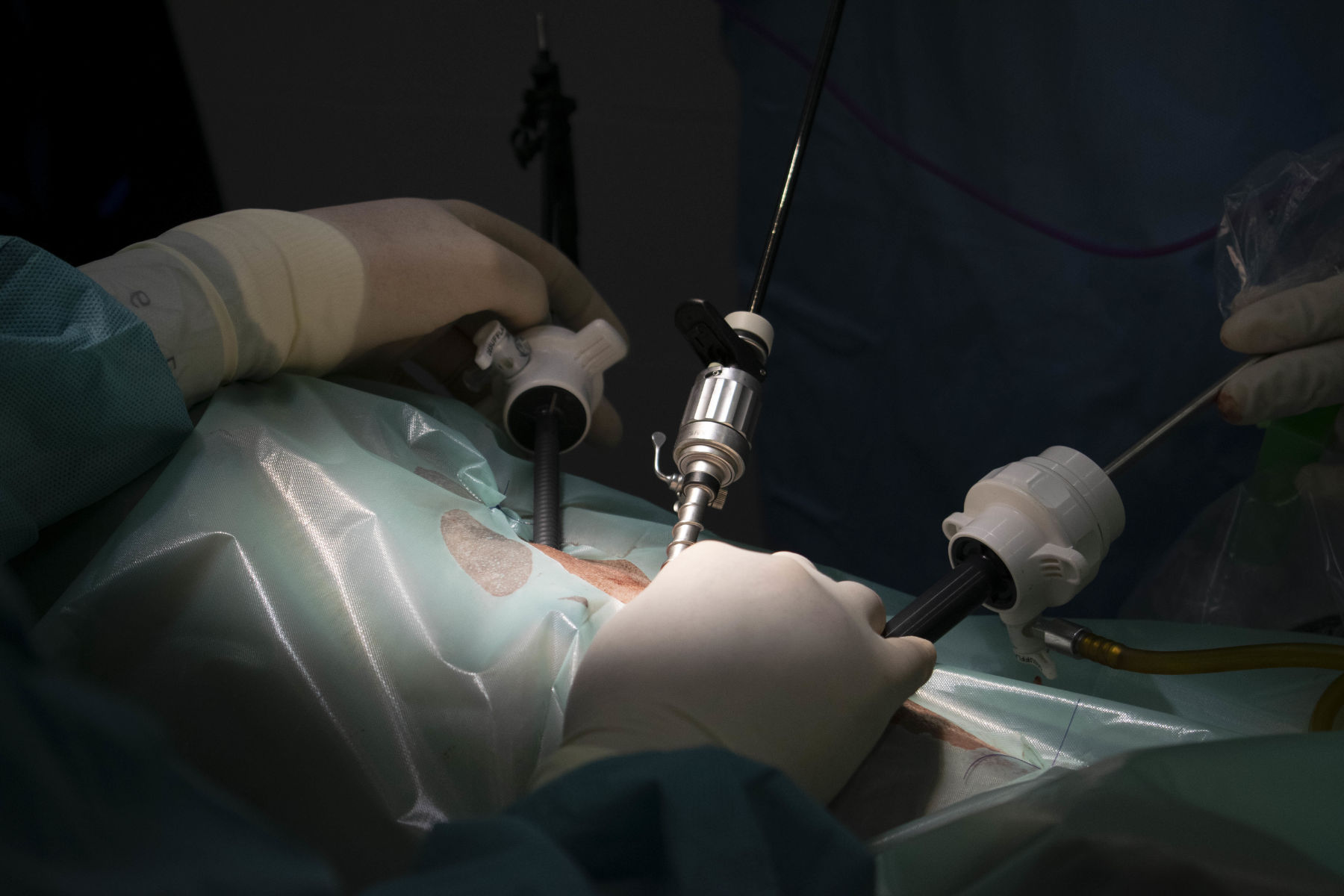

ACL Injury Treatment in El Paso: Surgery, Rehabilitation, and Return to Sports
SEO Title: ACL Surgery & Treatment in El Paso | OrthoEdge Sports Medicine
Meta Description: Suffered a torn ACL? Dr. William Arroyo at OrthoEdge in El Paso, TX offers advanced ACL reconstruction, customized prehab, and expert sports medicine.
Suggested URL Slug: /acl-injury-treatment-el-paso-surgery-rehabilitation
For any athlete or active individual in the Sun City, a sudden knee injury can feel like a devastating roadblock. Whether you are a high school football player at Coronado or Franklin, a soccer player competing in local El Paso leagues, a weekend warrior hiking the rugged trails of the Franklin Mountains, or a functional fitness enthusiast, hearing or feeling a sudden "pop" in your knee is an experience you won't soon forget.
An anterior cruciate ligament (ACL) injury is one of the most common and disruptive sports injuries. However, with modern advancements in sports medicine in El Paso, a torn ACL no longer means the end of your athletic journey. At OrthoEdge, led by board-certified orthopedic surgeon Dr. William Arroyo, we specialize in providing state-of-the-art torn ACL treatment, cutting-edge ACL surgery in El Paso, and highly individualized rehabilitation planning designed to safely return you to the sports and activities you love.
In this comprehensive guide, we will walk you through the entire journey of ACL recovery—from the moment of injury to the triumphant return to the field.
Understanding the ACL and the Dreaded "Pop"
The anterior cruciate ligament is one of the primary stabilizing ligaments inside your knee joint. It runs diagonally through the middle of the knee, preventing the tibia (shinbone) from sliding out in front of the femur (thighbone) and providing rotational stability during pivoting and cutting movements.
ACL tears typically occur during sports that involve sudden stops, rapid changes in direction, jumping, and landing. Sports like soccer, basketball, football, and skiing are high-risk activities. Most ACL injuries are non-contact, occurring when an athlete plants their foot and twists the knee.
Common Symptoms of an ACL Tear
If you have injured your knee, look out for these classic signs of an ACL tear:
- An Audible "Pop": Many patients report hearing or feeling a distinct "pop" inside the knee at the moment of injury.
- Immediate, Severe Pain: While pain levels vary, most individuals experience immediate pain that makes continuing activity impossible.
- Rapid Swelling: The ACL has a rich blood supply. When it tears, bleeding occurs inside the joint (hemarthrosis), leading to significant swelling within 2 to 6 hours.
- Instability or "Giving Way": You may feel like your knee is completely unstable, loose, or unable to support your body weight.
- Loss of Range of Motion: Due to swelling and pain, you will likely find it difficult to fully bend or straighten your knee.
If you experience these symptoms, it is critical to seek an immediate evaluation from a specialist in sports medicine in El Paso to avoid further damage to the meniscus or cartilage.
How ACL Injuries are Diagnosed at OrthoEdge
At OrthoEdge, we don't believe in a one-size-fits-all approach. Your diagnostic journey begins with an in-depth clinical consultation with Dr. William Arroyo at our El Paso clinic.
1. Clinical Examination
Dr. Arroyo will perform highly specific physical tests to assess the stability of your knee ligament. These include:
- The Lachman Test: The gold standard clinical test for ACL integrity. With your knee bent at a 20- to 30-degree angle, Dr. Arroyo will gently pull the tibia forward. A soft or mushy endpoint indicates a torn ligament.
- The Anterior Drawer Test: Similar to the Lachman test but performed with the knee bent at a 90-degree angle.
- The Pivot-Shift Test: This test evaluates rotational instability, which is highly characteristic of an ACL tear.
2. Advanced Diagnostic Imaging
While a physical exam provides excellent diagnostic clues, imaging is necessary to confirm the tear and evaluate other structures:
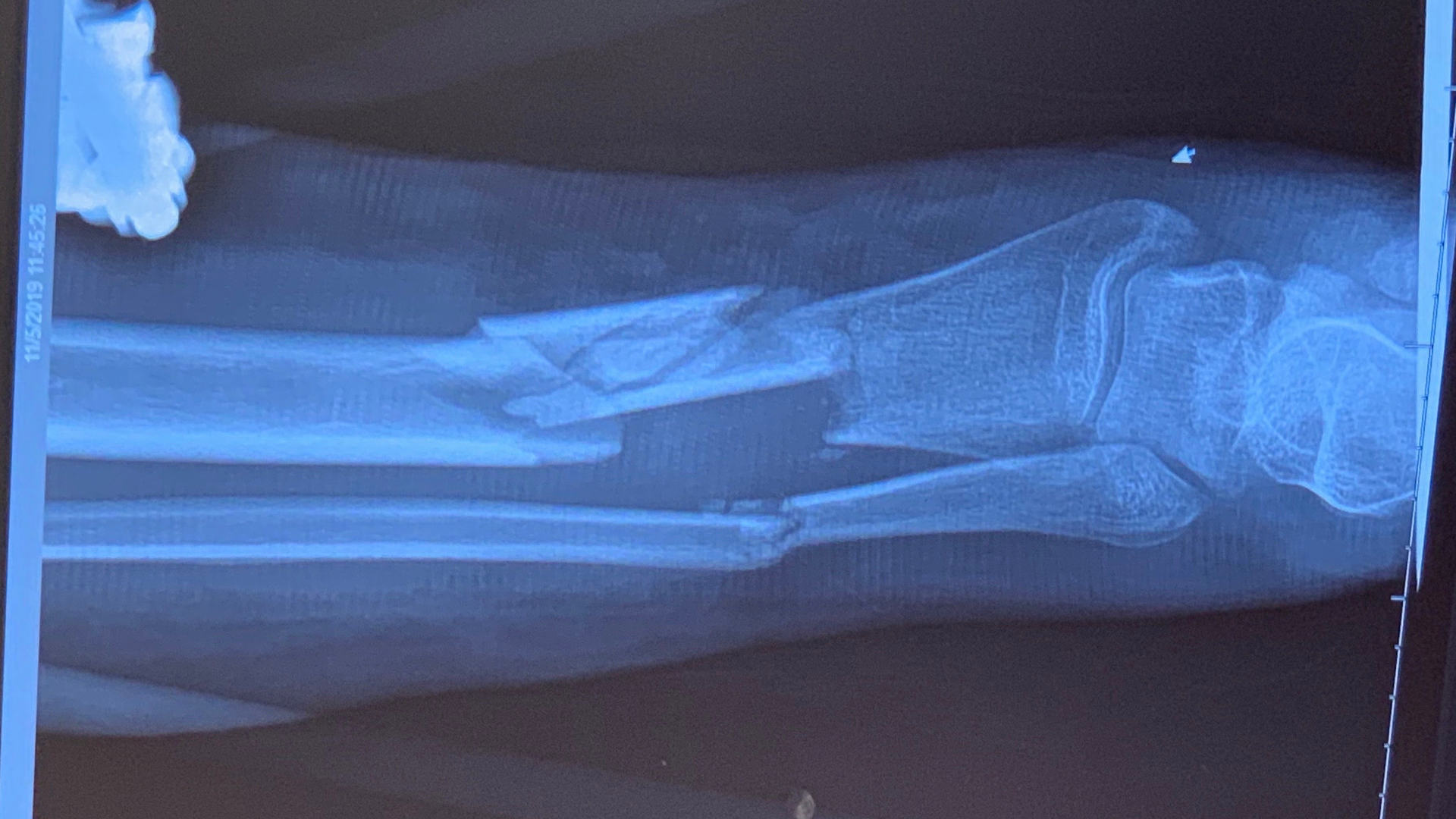
- Digital X-rays: Performed on-site at OrthoEdge to rule out associated fractures or bony avulsions.
- Magnetic Resonance Imaging (MRI): The definitive imaging modality for soft tissue. An MRI allows Dr. Arroyo to visualize the exact location of the ACL tear and check for concomitant injuries, such as meniscus tears, cartilage damage, or medial collateral ligament (MCL) sprains.
When is Surgery Recommended for a Torn ACL?
Not every patient with an ACL tear requires surgery. The decision between conservative management and ACL surgery in El Paso depends on your age, activity level, athletic goals, and the presence of associated knee injuries.
Conservative (Non-Surgical) Treatment
Non-surgical treatment may be appropriate for:
- Older, sedentary individuals who do not participate in pivoting or cutting sports.
- Patients without subjective knee instability during daily, straight-line activities.
- Individuals willing to permanently modify their activities to avoid high-demand pivoting sports.
This path focuses on intensive physical therapy to strengthen the surrounding musculature (quadriceps, hamstrings, and gluteals) to compensate for the missing ligament.
Surgical Treatment (ACL Reconstruction)
Dr. Arroyo typically recommends ACL reconstruction for:
- Active individuals, recreational athletes, and competitive sports participants who wish to return to cutting, pivoting, and jumping.
- Patients experiencing persistent knee instability, giving way, or pain during routine daily tasks.
- Children and young adults, due to the high risk of progressive meniscus and cartilage damage in an unstable knee over time.
- Patients with "multi-ligament" injuries (e.g., an ACL tear combined with a meniscus tear or MCL tear).
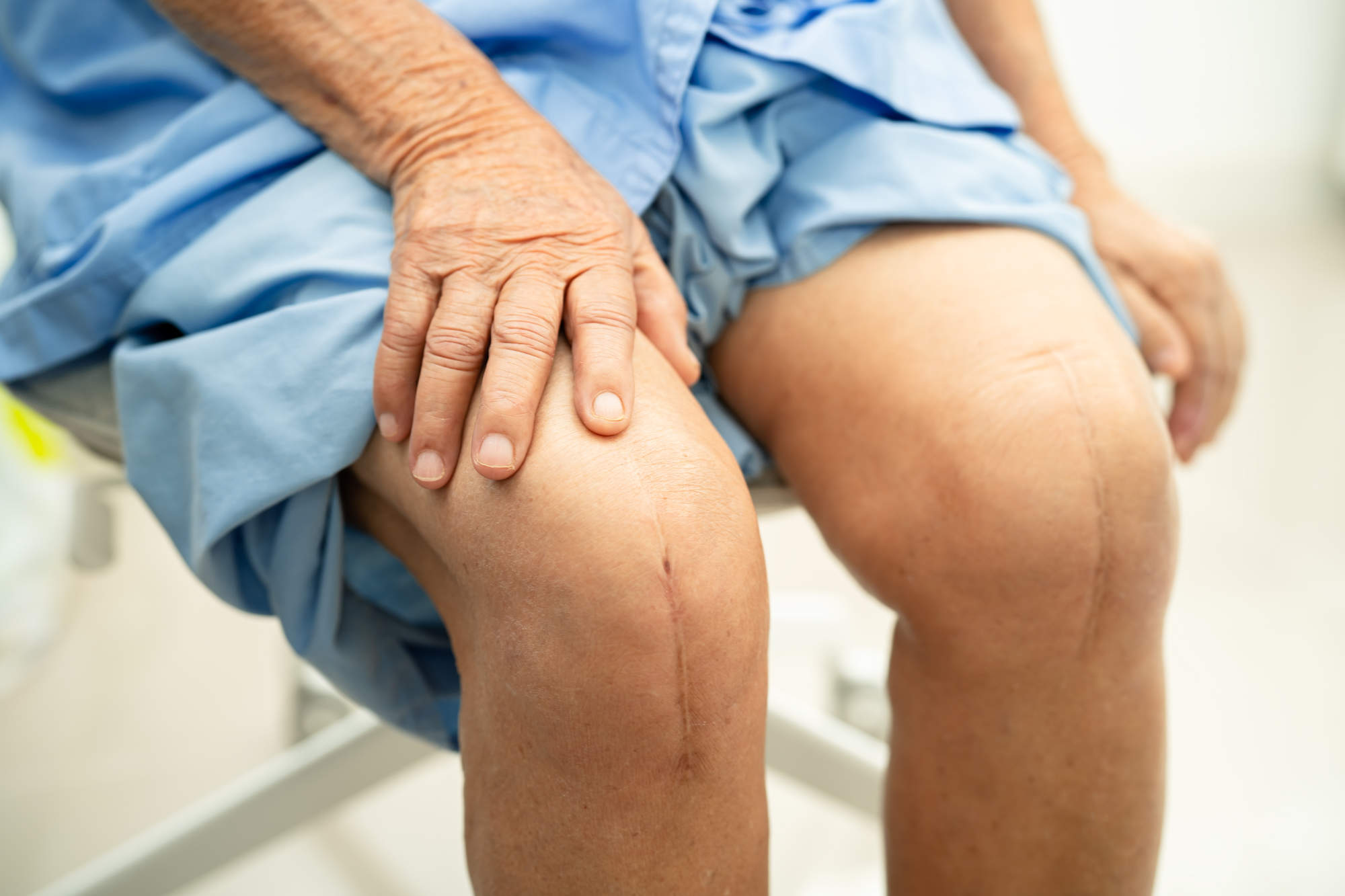
During ACL reconstruction, the torn ligament is not simply sewn back together (as this has high failure rates). Instead, Dr. Arroyo reconstructs the ligament using a tissue graft. Grafts can be autografts (using your own tissue, such as the patellar tendon, hamstring tendon, or quadriceps tendon) or allografts (donor tissue). Dr. Arroyo will discuss the pros and cons of each graft type to select the absolute best match for your age, sport, and anatomy.
The Game-Changer: The Critical Importance of "Prehab"
One of the most common mistakes patients make is rushing into surgery immediately after the injury when the knee is still hot, swollen, and stiff. Operating on an acutely inflamed, stiff knee dramatically increases the risk of post-operative scarring and permanent stiffness, a complication known as arthrofibrosis.
At OrthoEdge, we emphasize preoperative conditioning, commonly known as prehab.
Why Prehab is Essential:
- Restores Range of Motion: Achieving full knee extension (straightening) before surgery is one of the strongest predictors of achieving full extension after surgery.
- Reduces Swelling: Prehab utilizes targeted modalities, compression, and active movement to clear joint inflammation.
- Minimizes Muscle Atrophy: A knee injury causes "arthrogenic muscle inhibition," which essentially turns off your quadriceps muscle. Prehab re-establishes the mind-muscle connection, ensuring your thigh muscles remain as strong as possible going into surgery.
- Improves Post-Op Outcomes: Studies demonstrate that patients who undergo 4 to 6 weeks of progressive prehab recover their strength and function significantly faster post-surgery than those who do not.
Recovery Stages After ACL Reconstruction
Recovering from ACL surgery is a marathon, not a sprint. A successful outcome requires a collaborative effort between Dr. Arroyo, your physical therapist, and you. At OrthoEdge, we outline your recovery in five distinct, objective-based phases.
Phase 1: Protection and Early Motion (Weeks 1 to 2)
The immediate focus is on protecting the healing graft, reducing swelling, and restoring full passive knee extension.
- Goals: Achieve full knee extension; reduce swelling; active quadriceps contraction (quad sets); tolerate weight-bearing with crutches and a locked brace.
- Milestone to progress: Full extension, minimal swelling, and a straight-leg raise without lag.
Phase 2: Gait Normalization and Single-Leg Strength (Weeks 3 to 6)
As pain and swelling subside, the focus shifts to restoring a natural walking pattern and building foundational strength.
- Goals: Achieve 120 degrees of knee flexion; eliminate the crutches; walk with a normal gait; begin closed-kinetic-chain exercises (bodyweight squats, leg presses).
- Milestone to progress: Normal walking gait without pain or limp; full range of motion compared to the uninjured side.
Phase 3: Progressive Strength and Neuromuscular Control (Weeks 7 to 12)
Now that the graft is incorporating into the bone, we begin introducing loaded, multi-planar movements.
- Goals: Single-leg strength development; introduce balance and proprioception drills; introduce light perturbation training (balance board drills).
- Milestone to progress: Quadriceps and hamstring strength at least 70% of the uninjured limb.
Phase 4: Sport-Specific Agility and Plyometrics (Months 3 to 6)
This is when patients begin to feel like athletes again. Dr. Arroyo and your rehab team will slowly introduce dynamic movements.
- Goals: Begin a structured, progressive running program; initiate low-impact plyometrics (double-leg hopping); begin basic lateral shuffling and agility ladders.
- Milestone to progress: Limb symmetry index of >80% on basic jump testing.
Phase 5: Advanced Athletic Conditioning and Return-to-Sport Testing (Months 6+)
This final phase bridges the gap between clinical rehabilitation and competitive play. It focuses on sport-specific maneuvers (pivoting, cutting, decelerating) and physical conditioning.
Safe Return-to-Sport Criteria: Beyond the Calendar
In the past, orthopedic surgeons cleared athletes to return to sports strictly based on time—typically at the 6-month or 9-month mark. We now know this approach is outdated and unsafe.
Graft healing rates and functional recovery vary wildly from person to person. At OrthoEdge, we use a strict, objective Return-to-Play Testing Battery to ensure your knee is truly ready.
| Assessment Category | Objective Criteria for Safe Return |
|---|---|
| Limb Symmetry Index (LSI) | Quadriceps and hamstring strength must be ≥90% compared to the uninjured leg. |
| Functional Hop Testing | Single hop, triple hop, and crossover hop distance must achieve ≥90% symmetry. |
| Y-Balance Test | Assesses dynamic single-leg balance and neuromuscular control in three directions. |
| Psychological Readiness | Assessed via validated questionnaires (e.g., ACL-RSI scale) to ensure the athlete does not have a debilitating fear of reinjury. |
| Biomechanical Analysis | Assessment of movement quality during landing, cutting, and jumping to ensure no compensatory patterns exist. |
The Danger of the Fast Track: Why Rushing Increases Reinjury Risk
We understand the intense desire to get back on the field. High school seniors want to play their final season; soccer players miss the camaraderie of their weekend leagues. However, rushing your recovery significantly increases your risk of a devastating graft rupture or an ACL tear in the opposite knee.
The Biological "U-Curve" of Graft Healing
When Dr. Arroyo performs ACL surgery, the tissue graft used to reconstruct your ligament is dead tissue. Over the first 3 to 4 months, a process called ligamentization occurs. Your body slowly clears out the old cells and populates the graft with new living cells, blood vessels, and collagen.
During this crucial biological window (around months 2 to 4), the graft is actually at its weakest point, even though you may feel fantastic, pain-free, and strong. Returning to high-demand activities during this period is a recipe for graft failure.
The Reinjury Statistics
- Research shows that for every month return-to-sport is delayed beyond 6 months, up to 9 months, the risk of reinjury is reduced by approximately 51%.
- Athletes who return to sports prior to meeting objective clearance criteria have a 4x higher rate of sustaining a secondary ACL tear compared to those who pass objective testing.
- Rushing rehab before your neuromuscular control is fully restored forces your body to compensate, putting excessive stress on both the reconstructed knee and your healthy, contralateral knee.
OrthoEdge: Your Partner in Sports Medicine and Recovery in El Paso
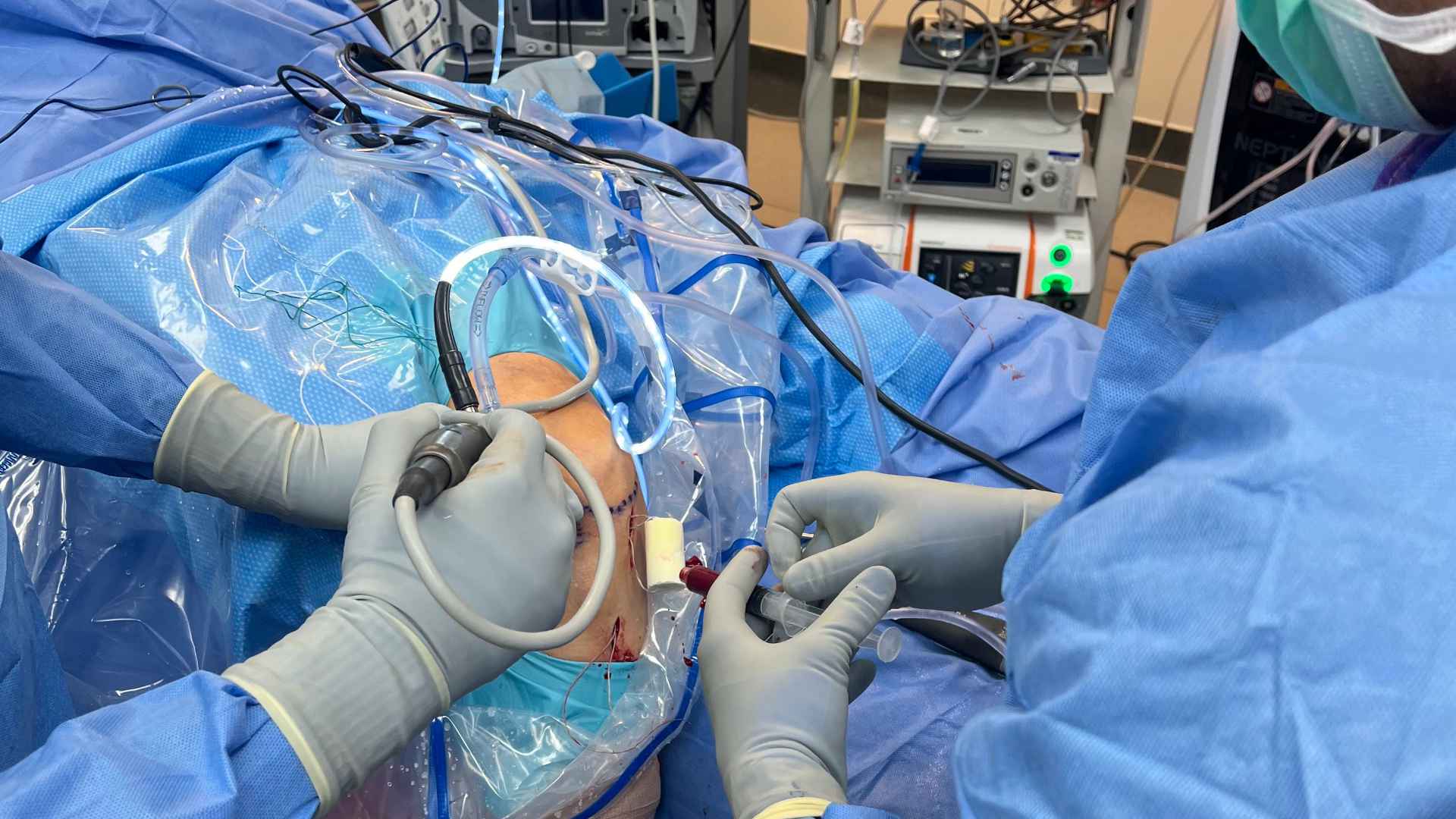
At OrthoEdge, we don't just perform surgery—we walk beside you through every step of your athletic rehabilitation. Dr. William Arroyo leverages advanced arthroscopic techniques to minimize incision size, reduce post-operative pain, and protect healthy joint structures.
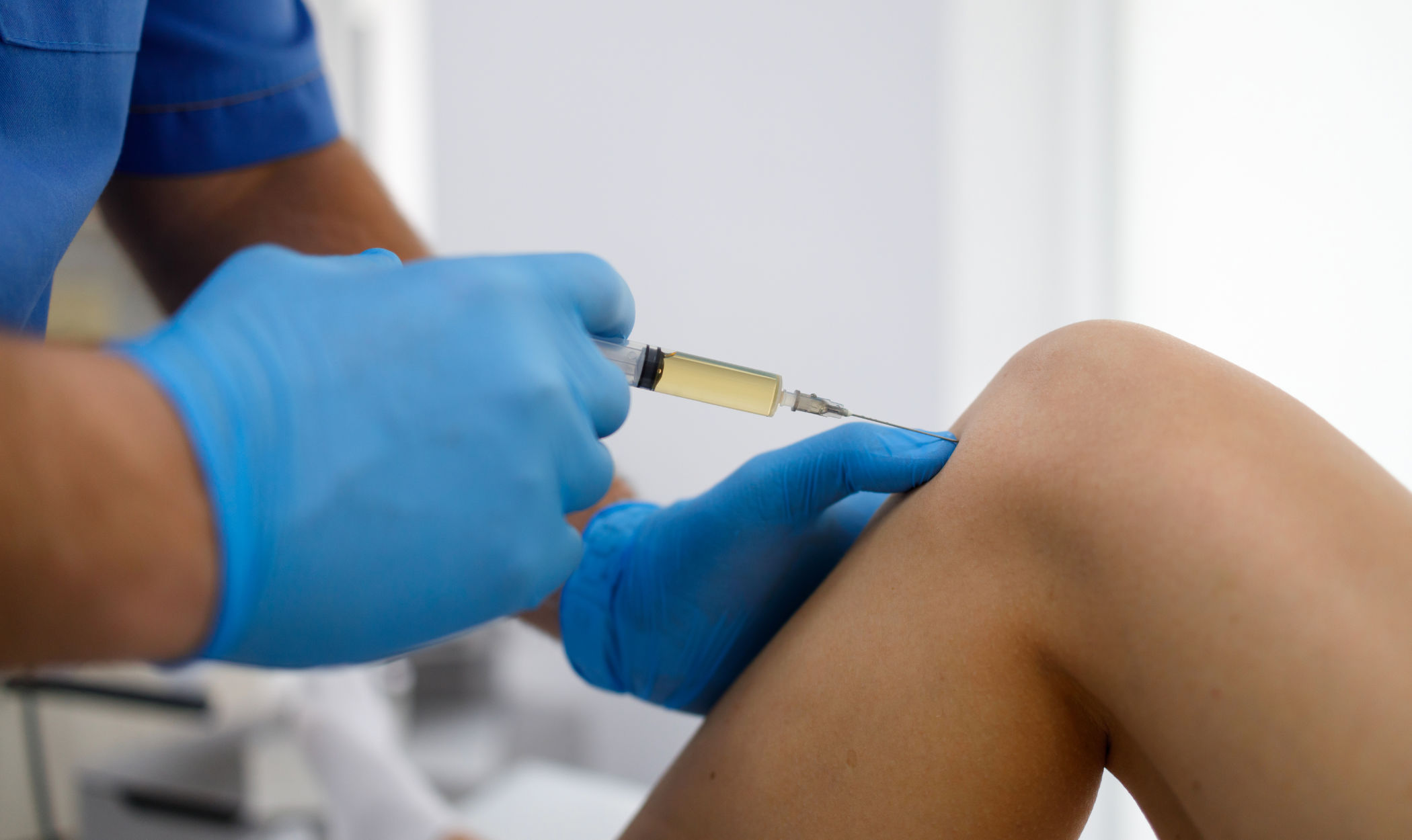
Furthermore, we utilize supportive regenerative medicine options, such as Platelet-Rich Plasma (PRP) injections and advanced bio-active peptide treatments, when appropriate, to optimize the physiological environment for tissue healing and recovery.
We work closely with El Paso’s premier physical therapists to ensure your rehabilitation protocol is executed with precision, tracking your data step-by-step so that when you step back onto the field, court, or trail, you do so with absolute confidence.
Schedule an Evaluation After a Knee Injury or Sports-Related "Pop"
Did you experience a sudden twist, a painful "pop," or immediate swelling during your game, workout, or run? Do not wait and hope it gets better on its own. Early, accurate diagnosis and a structured intervention plan are vital to protecting your knee cartilage and securing your long-term athletic future.
[Click here to schedule a comprehensive knee evaluation with Dr. William Arroyo at OrthoEdge in El Paso today.] Let's get you back on the cutting edge of sports wellness.
Frequently Asked Questions (FAQs)
1. How long does the recovery process take after ACL surgery in El Paso?
Generally, a safe and complete return to competitive, high-demand pivoting sports takes between 9 to 12 months. While you will be walking normally within a few weeks and running in straight lines around month 3 or 4, biological graft healing and neuromuscular control take up to a year to fully recover.
2. Can a torn ACL heal on its own without surgery?
Because the ACL exists inside the synovial fluid of the knee joint, it does not form a stable blood clot to facilitate natural healing. While a partial tear may occasionally scar down and provide some stability, a complete ACL tear will not heal back together on its own. Active individuals who wish to return to cutting and pivoting sports will almost certainly require reconstruction.
3. What is the difference between an autograft and an allograft?
An autograft uses tissue harvested from your own body (such as your patellar, hamstring, or quadriceps tendon). Autografts generally have lower failure rates in young, highly active athletes. An allograft uses donor tissue from a tissue bank. Allografts involve less post-operative pain and a faster early recovery because no tissue is harvested from your own body, making them a popular option for older or less active patients.
4. Will I need physical therapy before my ACL surgery?
Yes, at OrthoEdge, we strongly recommend and prescribe "prehab" (preoperative physical therapy). Restoring full knee extension, reducing swelling, and maximizing quadriceps strength before surgery significantly reduces post-operative complications, minimizes muscle wasting, and accelerates your overall recovery timeline.
5. Can Platelet-Rich Plasma (PRP) help with ACL healing?
PRP therapy concentrates the natural growth factors in your own blood to promote tissue repair. While PRP alone cannot repair a completely torn ACL, Dr. Arroyo may recommend PRP injections or bio-active peptide treatments adjunctively to help reduce inflammation, manage pain, and support graft incorporation and soft tissue healing during your recovery.
6. What is the risk of tearing my ACL again after surgery?
The risk of reinjury depends heavily on your rehabilitation compliance, movement mechanics, and whether you met objective return-to-sport criteria. Studies show that athletes who rush back to sport before passing objective functional testing have up to a 20-25% chance of sustaining a secondary ACL tear (either to the reconstructed graft or the opposite knee). Patiently completing a full rehab program reduces this risk significantly.