
Knee Cartilage Repair: How Modern Treatments Help You Return to an Active Life
Knee pain can make even the simplest activities difficult. Walking up stairs, exercising, playing sports, or standing for long periods may become uncomfortable when the cartilage inside the knee is damaged. While many people assume that knee pain automatically means arthritis or a future knee replacement, advances in orthopedic medicine have created new options for repairing damaged cartilage and preserving the natural joint.
One of the most innovative treatments available today is MACI® (Matrix-Induced Autologous Chondrocyte Implantation), a procedure that uses a patient's own cartilage cells to help restore damaged areas of the knee. At OrthoEdge Orthopedics and Sports Medicine in El Paso, patients have access to advanced cartilage restoration techniques designed to reduce pain, improve function, and help them return to the activities they enjoy.
Understanding Knee Cartilage and Why It Matters
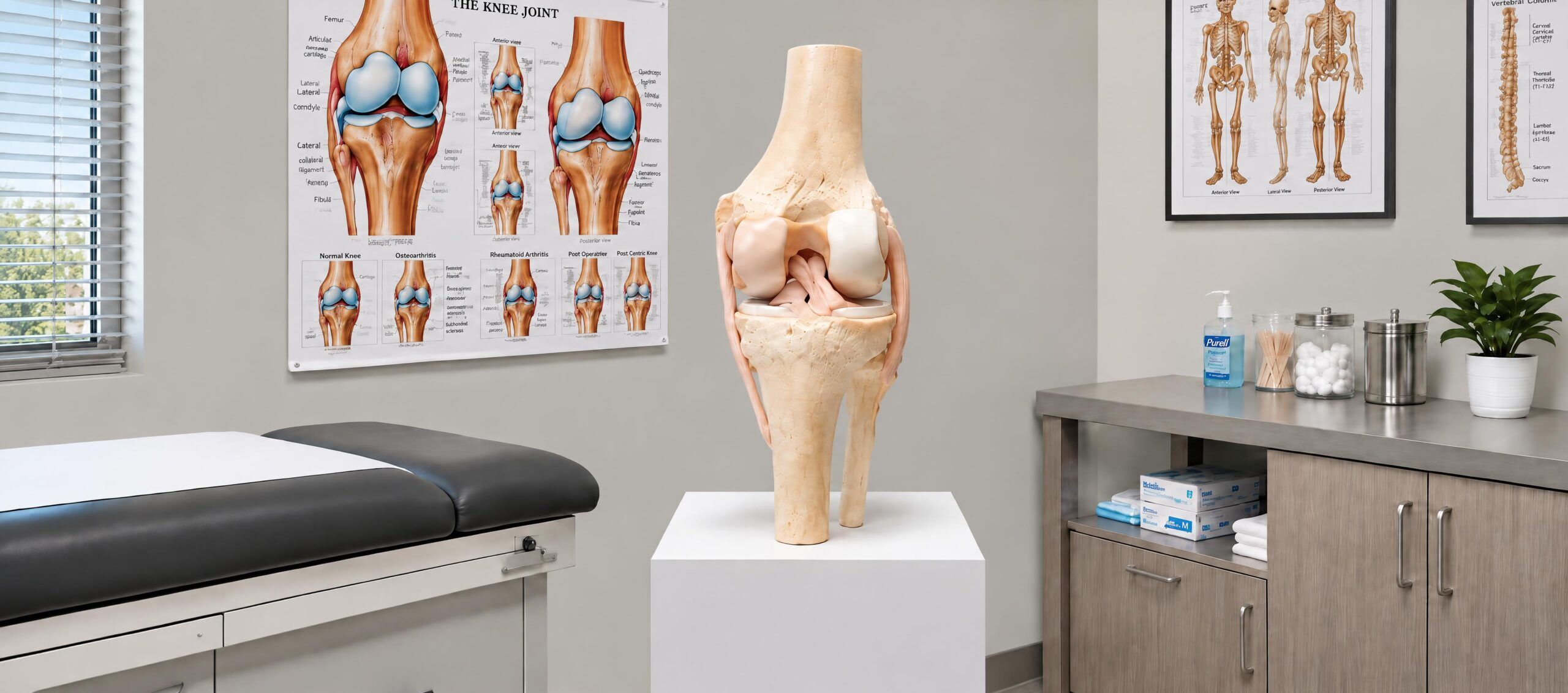
Cartilage is a smooth, durable tissue that covers the ends of bones inside the knee joint. Its primary function is to reduce friction and absorb shock during movement. Healthy cartilage allows the knee to bend, straighten, and rotate smoothly without pain.
Unlike many other tissues in the body, cartilage has a limited blood supply. Because of this, it does not heal easily when injured. Even small areas of cartilage damage can gradually worsen over time if left untreated.
Cartilage injuries may develop from:
- Sports-related injuries
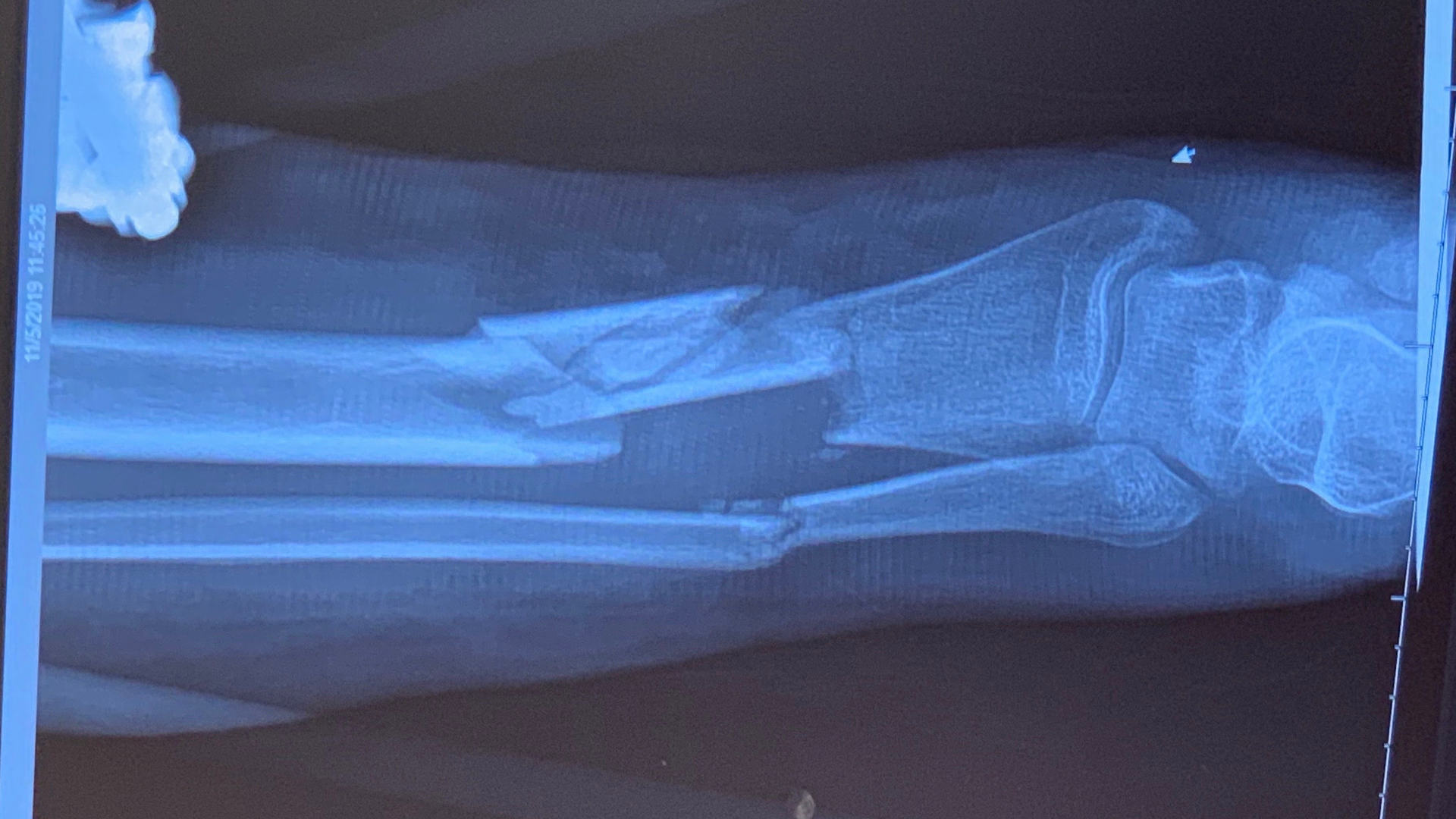
- Sudden trauma or accidents
- Repetitive stress on the joint
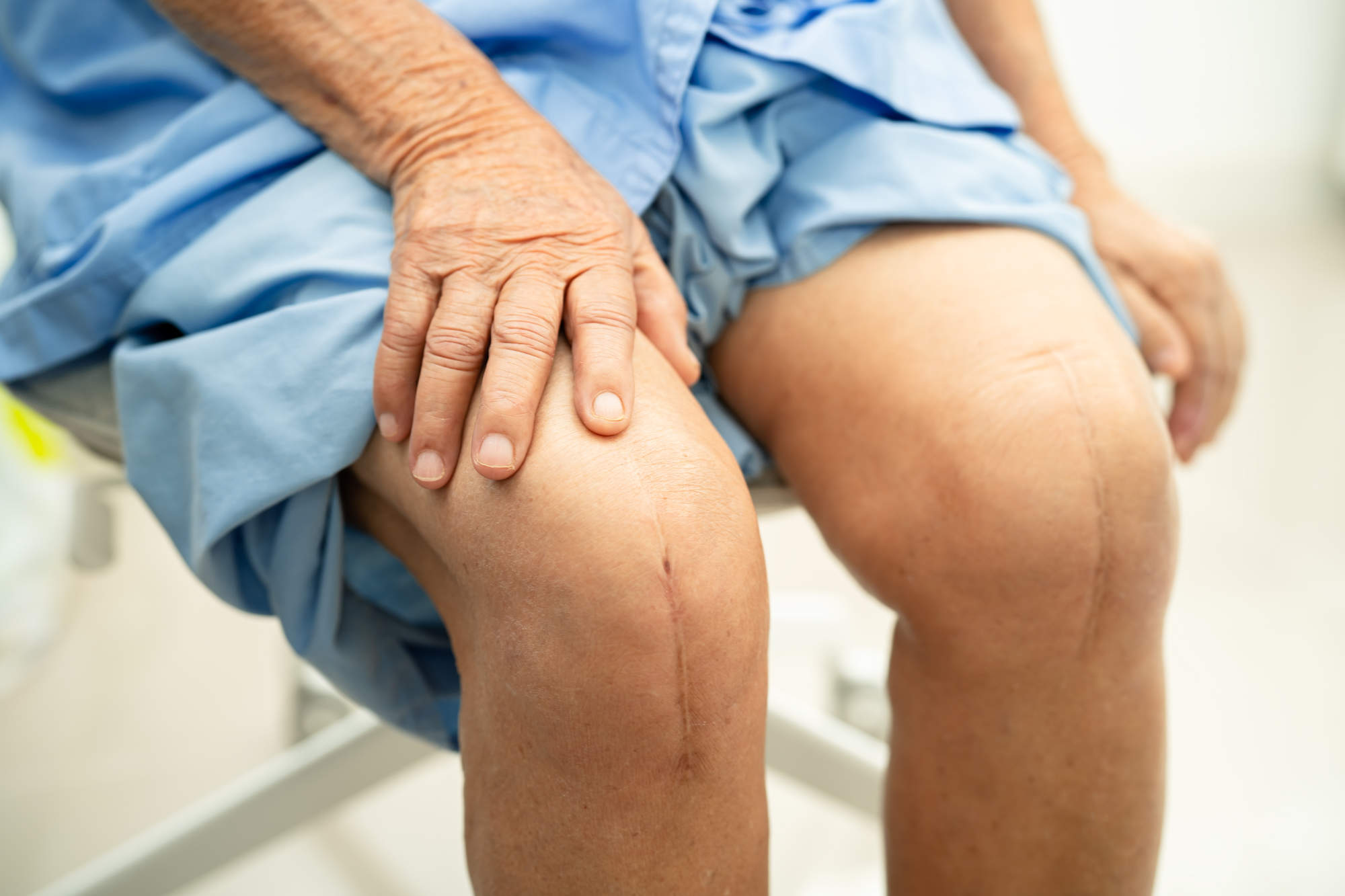
- Previous knee surgeries
- Aging and wear over time
- Joint instability from ligament injuries
When cartilage begins to deteriorate, patients often experience symptoms such as pain, swelling, stiffness, clicking sensations, or a feeling that the knee is catching during movement.
Signs You May Have Cartilage Damage
Cartilage injuries can sometimes be difficult to diagnose because their symptoms overlap with other knee conditions. Common warning signs include:
Persistent Knee Pain
Pain that continues despite rest, physical therapy, or anti-inflammatory medications may indicate damage beneath the surface of the joint.
Swelling After Activity
Recurring swelling after exercise, sports, or prolonged standing can signal irritation caused by cartilage defects.
Loss of Mobility
Patients frequently notice difficulty fully bending or straightening the knee.
Grinding or Clicking Sensations
Damaged cartilage may create unusual sensations during movement as the smooth joint surface becomes uneven.
Reduced Athletic Performance
Athletes often report decreased speed, strength, or confidence when running, jumping, or changing directions.
Early evaluation is important because cartilage injuries generally do not heal on their own. Seeking treatment before damage progresses can improve long-term outcomes.
What Is MACI Knee Cartilage Repair?
MACI is an advanced cartilage restoration procedure designed to repair specific areas of damaged knee cartilage using the patient's own cells. Rather than simply managing symptoms, MACI aims to regenerate durable repair tissue within the injured portion of the joint.
The procedure is especially beneficial for patients who have focal cartilage defects and want to preserve their natural knee structure.
Unlike traditional treatments that may only reduce pain temporarily, MACI focuses on restoring the damaged cartilage surface itself.
How the MACI Procedure Works
MACI is typically completed in multiple stages.
Step 1: Cartilage Cell Collection
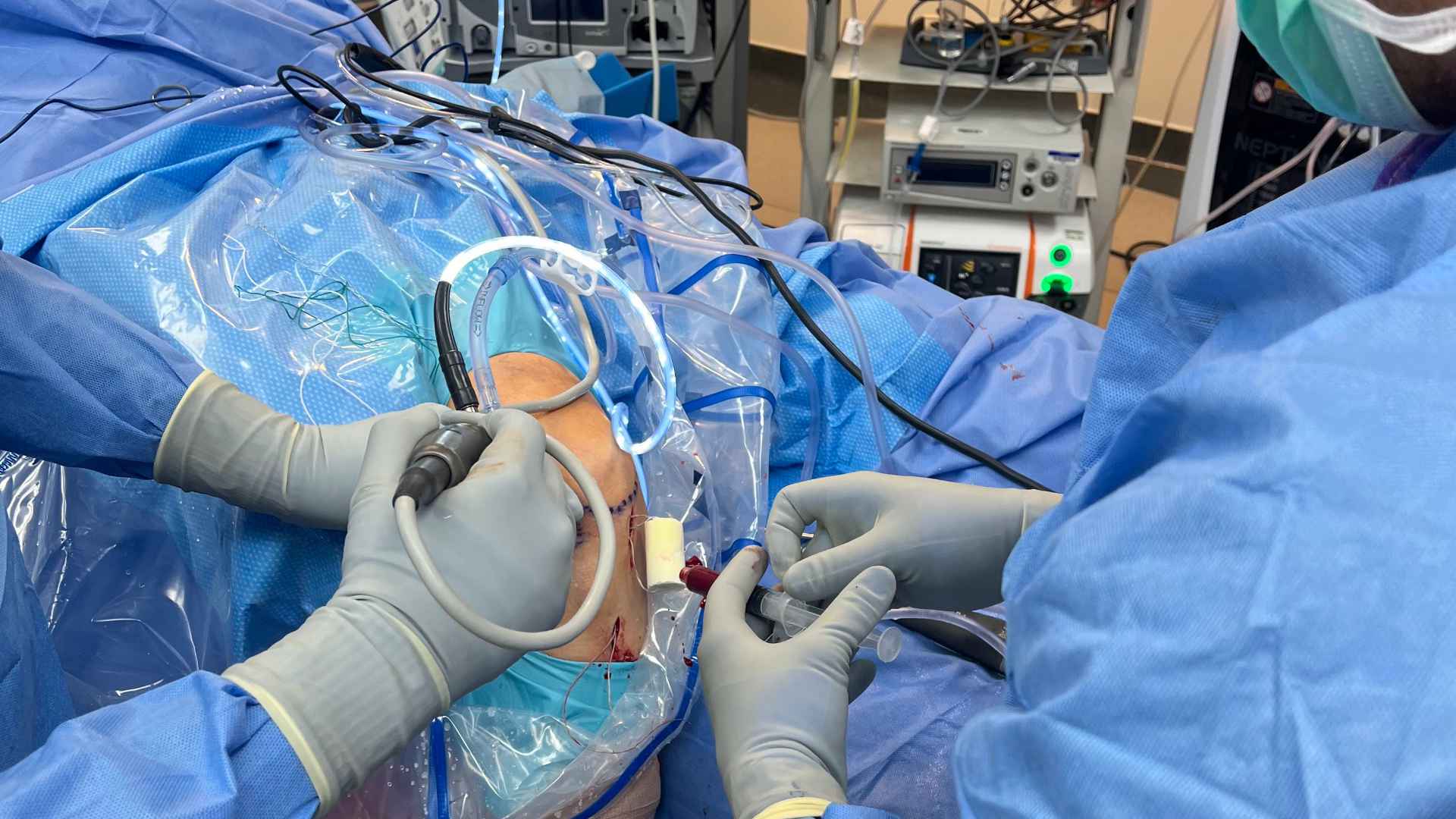
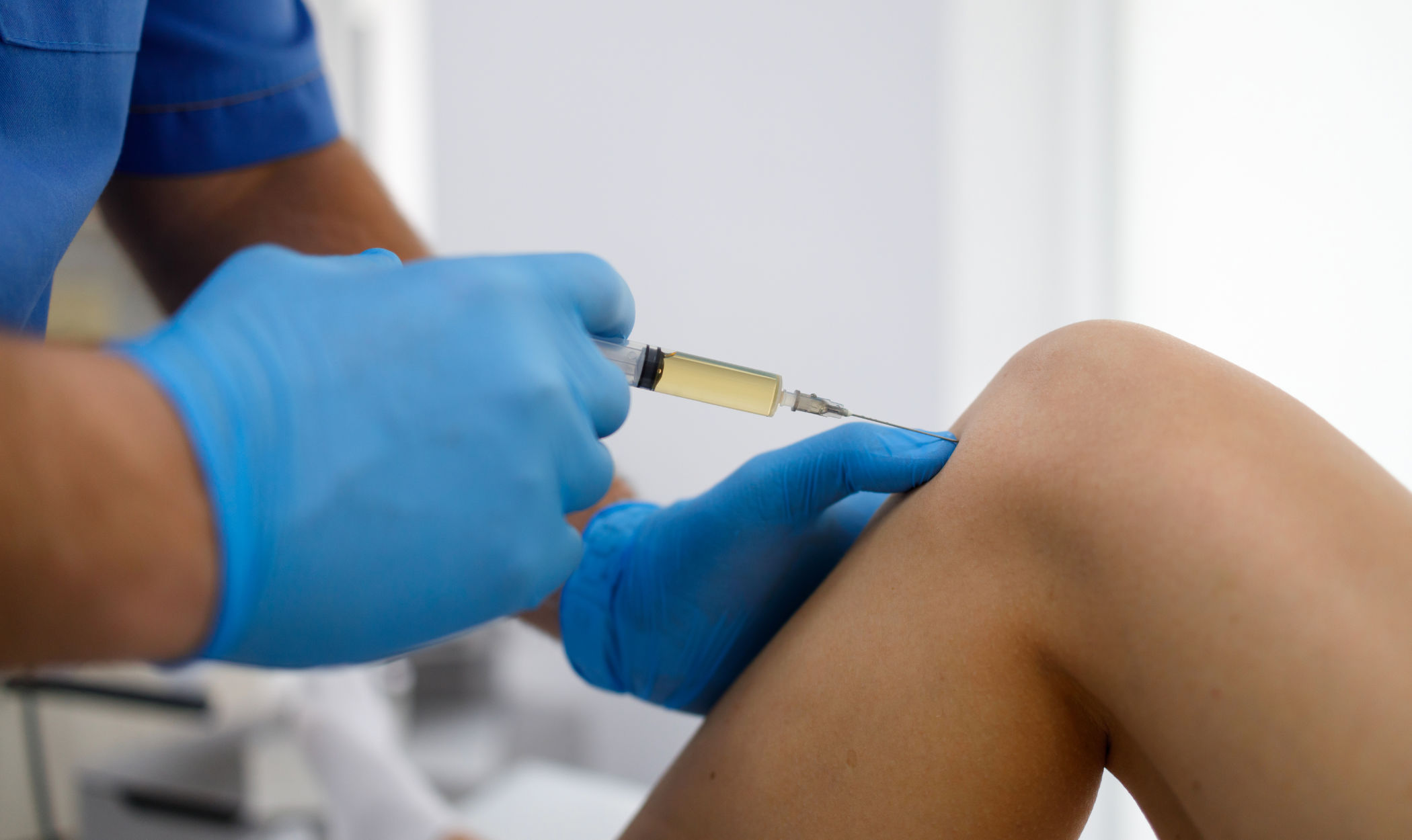
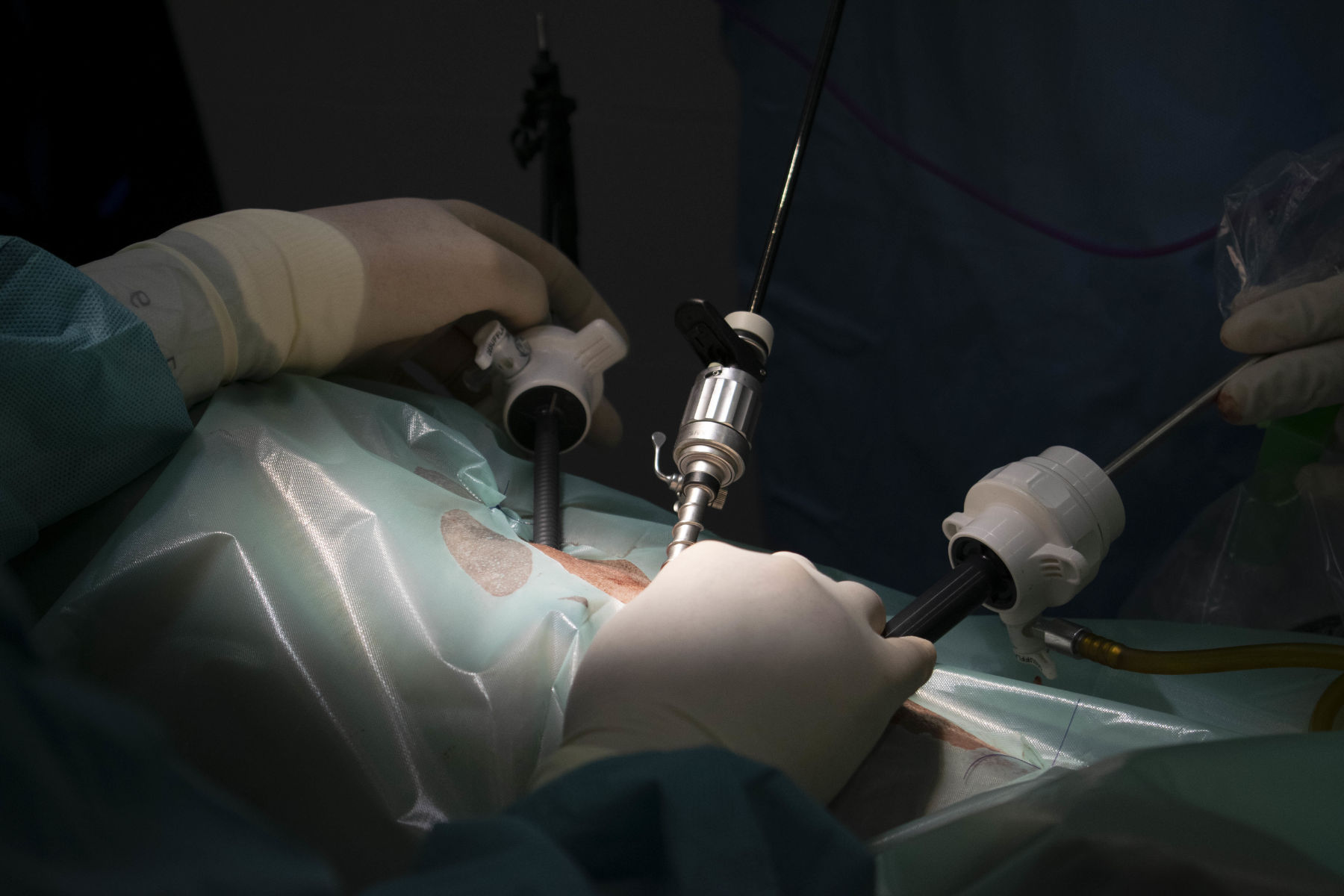
The process begins with a minimally invasive arthroscopic procedure. During this surgery, the orthopedic surgeon removes a small sample of healthy cartilage cells, known as chondrocytes, from the patient's knee.
Step 2: Cell Expansion
The cartilage sample is sent to a specialized laboratory where the cells are carefully grown and multiplied over several weeks. The expanded cells are then placed onto a collagen membrane specifically designed for implantation.
Step 3: Implantation Surgery
Once the implant is prepared, the surgeon performs a second procedure to place it into the damaged area of the knee. The damaged cartilage is removed, the site is carefully prepared, and the MACI implant is shaped to fit the defect precisely before being secured in place.
Over time, these implanted cells contribute to the formation of new repair tissue that helps restore the knee's function.
Who Is a Candidate for Knee Cartilage Repair?
Not every patient with knee pain requires cartilage restoration surgery. A comprehensive evaluation is necessary to determine the most appropriate treatment plan.
Ideal candidates often include:
- Active adults with localized cartilage damage
- Athletes seeking to return to sports
- Patients experiencing persistent symptoms despite conservative treatment
- Individuals with cartilage defects rather than widespread arthritis
- People looking to delay or avoid joint replacement surgery
During an orthopedic consultation, imaging studies such as MRI scans and physical examinations help determine whether MACI or another cartilage restoration procedure is appropriate.
Benefits of Modern Cartilage Restoration
Advancements in sports medicine and orthopedic surgery have transformed how cartilage injuries are treated. Modern restoration procedures offer several advantages compared to older approaches.
Preserves the Natural Joint
One of the greatest benefits of cartilage repair is the ability to maintain the patient's own knee anatomy rather than replacing the joint.
Reduced Pain
By restoring damaged areas of cartilage, patients often experience significant improvements in comfort during everyday activities.
Improved Function
Repairing cartilage can enhance mobility, stability, and overall knee performance.
Potentially Delays Joint Replacement
For appropriate candidates, cartilage restoration may postpone the need for more extensive procedures later in life.
Supports Active Lifestyles
Athletes and physically active individuals may be able to return to sports, fitness routines, and recreational activities after successful recovery.
Recovery After Knee Cartilage Repair
Recovery timelines vary depending on the size and location of the cartilage defect, as well as the specific procedure performed.
Following surgery, patients typically participate in a structured rehabilitation program that may include:
- Controlled weight-bearing
- Range-of-motion exercises
- Strength training
- Physical therapy
- Gradual return to athletic activities
Patience is essential because cartilage healing takes time. While some improvements occur relatively early, full recovery often continues for several months.
Adhering closely to postoperative instructions and rehabilitation protocols plays a major role in achieving optimal outcomes.
Why Early Treatment Matters
Many people ignore knee pain until it significantly affects their daily lives. Unfortunately, delaying treatment can allow cartilage damage to progress.
Untreated cartilage injuries may lead to:
- Increased joint degeneration
- Chronic inflammation
- Reduced mobility
- Greater risk of osteoarthritis
- More complex treatment needs in the future
Early diagnosis allows orthopedic specialists to identify problems before they become more severe and explore joint-preserving treatment options while they remain effective.
Comprehensive Sports Medicine Care in El Paso
Successful cartilage restoration involves more than surgery alone. It requires accurate diagnosis, individualized treatment planning, advanced surgical techniques, and comprehensive rehabilitation.
At OrthoEdge Orthopedics and Sports Medicine, Dr. William Arroyo specializes in sports medicine, arthroscopic procedures, ligament reconstruction, meniscus repair, and cartilage restoration. The practice focuses on helping patients return to active lifestyles through personalized care and modern orthopedic solutions.
Whether a patient is a competitive athlete, a weekend warrior, or simply someone who wants to move comfortably again, treatment plans are designed around individual goals, activity levels, and recovery expectations.
Take the Next Step Toward Knee Pain Relief
Cartilage damage does not have to mean giving up the activities you love. Today's advanced treatment options offer new possibilities for repairing damaged tissue, preserving the natural knee, and restoring mobility.
If you are experiencing persistent knee pain, swelling, stiffness, or limitations in activity, a professional orthopedic evaluation can help identify the underlying cause and determine whether cartilage restoration may be right for you.
The sooner cartilage injuries are diagnosed and treated, the better the opportunity to protect long-term joint health and return to an active, pain-free lifestyle.