
The Athlete's Guide to Shoulder Injuries: From Diagnosis to Return to Play with OrthoEdge El Paso
For athletes and active individuals in El Paso, your body is your most vital equipment. Every joint, muscle, and tendon works in concert to enable peak performance. Among these, the shoulder stands out as a marvel of engineering—offering incredible range of motion—but also as one of the most frequently injured areas, especially in sports demanding overhead movements, powerful throws, or sudden impacts.
When a shoulder injury strikes, it's more than just physical pain. It’s the crushing frustration of being sidelined, the anxiety of an uncertain recovery, and the burning desire to get back in the game.
At OrthoEdge El Paso, we understand this challenging journey. Dr. Arroyo and our dedicated team are committed to providing athletes with not just advanced treatment, but a comprehensive, clear roadmap to recovery. This guide will walk you through everything you need to know about athlete-specific shoulder injuries, from recognizing the first symptoms and understanding diagnostic options to exploring advanced treatment choices and ultimately making a safe and strong return to play.
Understanding the Athlete's Shoulder: Complex, Powerful, and Prone to Injury
The shoulder is a ball-and-socket joint, celebrated for its vast mobility. However, this flexibility comes at a cost: it's inherently less stable than other joints, making it particularly vulnerable under the strenuous demands of athletic activity. The intricate network of bones—the humerus, scapula, and clavicle—muscles, tendons, especially the rotator cuff, and ligaments must work in perfect harmony. When one component is compromised, the entire system can falter, leading to significant athlete shoulder pain.
Understanding the common culprits behind athletic shoulder issues is the first critical step toward effective treatment and a successful return to sports.
Common Shoulder Injuries Affecting Athletes
Here are the most frequent shoulder injuries seen in athletes at OrthoEdge El Paso.
1. Rotator Cuff Tears
What it is:
The rotator cuff is a group of four muscles and their tendons that surround the shoulder joint, providing stability and enabling lifting and rotating the arm. A tear can range from partial fraying of the tendon to complete detachment from the bone.
How it happens in athletes:
Rotator cuff tears in athletes often result from repetitive overhead motions, such as throwing in baseball, serving in tennis, or swimming. They may also occur after acute trauma, such as a fall onto an outstretched arm or a direct impact. Degenerative tears can develop over time, especially in older athletes.
Key symptoms:
- Dull ache deep in the shoulder
- Weakness when lifting or rotating the arm
- Pain that worsens at night or when lying on the affected shoulder
- Difficulty reaching behind the back
- Clicking or popping with certain movements
Why early intervention matters for athletes:
Ignoring a rotator cuff tear can lead to a larger tear, increased pain, significant weakness, and shoulder instability. These complications can make later repair more complex and extend the recovery timeline.
2. Labral Tears
What it is:
The labrum is a ring of tough cartilage that lines the rim of the shoulder socket, or glenoid. It deepens the socket and provides additional stability for the humerus, or upper arm bone. Tears in the labrum, often called SLAP tears, are common in athletes.
How it happens in athletes:
Labral tears can occur after a sudden pull, a fall, repetitive overhead movements such as throwing, or a direct blow to the shoulder. Athletes participating in sports that require forceful arm movements or frequent impacts are particularly vulnerable.
Key symptoms:
- Deep, aching shoulder pain, often worse with overhead activity
- Catching, locking, popping, or grinding sensations
- Decreased range of motion and weakness
- A sensation of instability or apprehension, as if the shoulder might dislocate
- Difficulty throwing or performing overhead tasks
Why early intervention matters for athletes:
An untreated labral tear can lead to chronic shoulder pain, continued instability, and reduced athletic performance. In some cases, advanced arthroscopic surgery may be necessary.
3. Shoulder Impingement
What it is:
Shoulder impingement occurs when the rotator cuff tendons or bursa—a fluid-filled sac that reduces friction—become compressed between the bones of the shoulder. This commonly involves the rotator cuff tendons rubbing against the acromion, which is part of the shoulder blade.
How it happens in athletes:
Shoulder impingement is often caused by repetitive overhead activities, poor posture, or anatomical variations that narrow the space available for the tendons. Swelling and inflammation can worsen the condition, creating a cycle of pain and limited movement.
Key symptoms:
- Pain in the shoulder that radiates down the side of the arm
- Pain that worsens with overhead activities or reaching
- Weakness and stiffness in the shoulder
- Difficulty sleeping on the affected side
Why early intervention matters for athletes:
If left unaddressed, chronic shoulder impingement can contribute to more serious conditions, including rotator cuff tears and bursitis. It can also significantly affect an athlete's ability to train and compete.
4. Shoulder Dislocation
What it is:
A shoulder dislocation occurs when the head of the humerus, or ball, is forced completely out of the glenoid, or socket. It is the most commonly dislocated major joint in the body.
How it happens in athletes:
Dislocations usually result from traumatic injuries, such as a fall, a direct blow to the shoulder, or forceful rotation of the arm. They are common in contact sports, skiing, and gymnastics.
Key symptoms:
- Severe pain and an immediate inability to move the arm
- A visibly deformed or out-of-place shoulder
- Swelling or bruising
- Numbness, tingling, or weakness in the arm or hand
Why early intervention matters for athletes:
Prompt medical attention from a sports medicine specialist is crucial for safely reducing the shoulder. Repeated dislocations can damage the labrum, ligaments, and bone, causing chronic instability and potentially requiring arthroscopic surgery to prevent further episodes.
The Path to Athlete Recovery: Expert Diagnosis at OrthoEdge El Paso
Accurate diagnosis is the cornerstone of effective treatment and a predictable return to play. When you visit OrthoEdge El Paso with athlete shoulder pain, Dr. Arroyo will conduct a thorough evaluation, beginning with a detailed discussion of your symptoms, medical history, and athletic activities. This will be followed by a comprehensive physical examination to assess your range of motion, strength, and areas of tenderness.
Diagnostic imaging often plays a crucial role in confirming the diagnosis.
- X-rays: Used to rule out fractures or identify bone spurs.
- MRI scans: Provide detailed images of soft tissues, including tendons, ligaments, and cartilage. MRI scans are valuable for diagnosing rotator cuff tears, labral tears, and other soft-tissue damage.
- CT scans: Offer detailed images of the bone and may be useful for assessing complex fractures or bone loss associated with recurrent dislocations.
Dr. Arroyo’s expertise helps ensure that your diagnosis is precise, forming the foundation for a personalized treatment plan tailored to your return to sports.
Advanced Treatment at OrthoEdge: Dr. Arroyo’s Minimally Invasive Arthroscopic Approach
Once your shoulder injury is accurately diagnosed, Dr. Arroyo will discuss the most effective treatment options. He prioritizes conservative approaches whenever appropriate, including rest, physical therapy, medication, and injections. However, for many athletic shoulder injuries—especially significant tears, chronic instability, or severe impingement—surgical intervention may offer the best chance for a full and lasting recovery.
This is where Dr. Arroyo’s expertise in minimally invasive arthroscopic shoulder surgery can provide important benefits at OrthoEdge El Paso.
What Is Arthroscopic Shoulder Surgery?
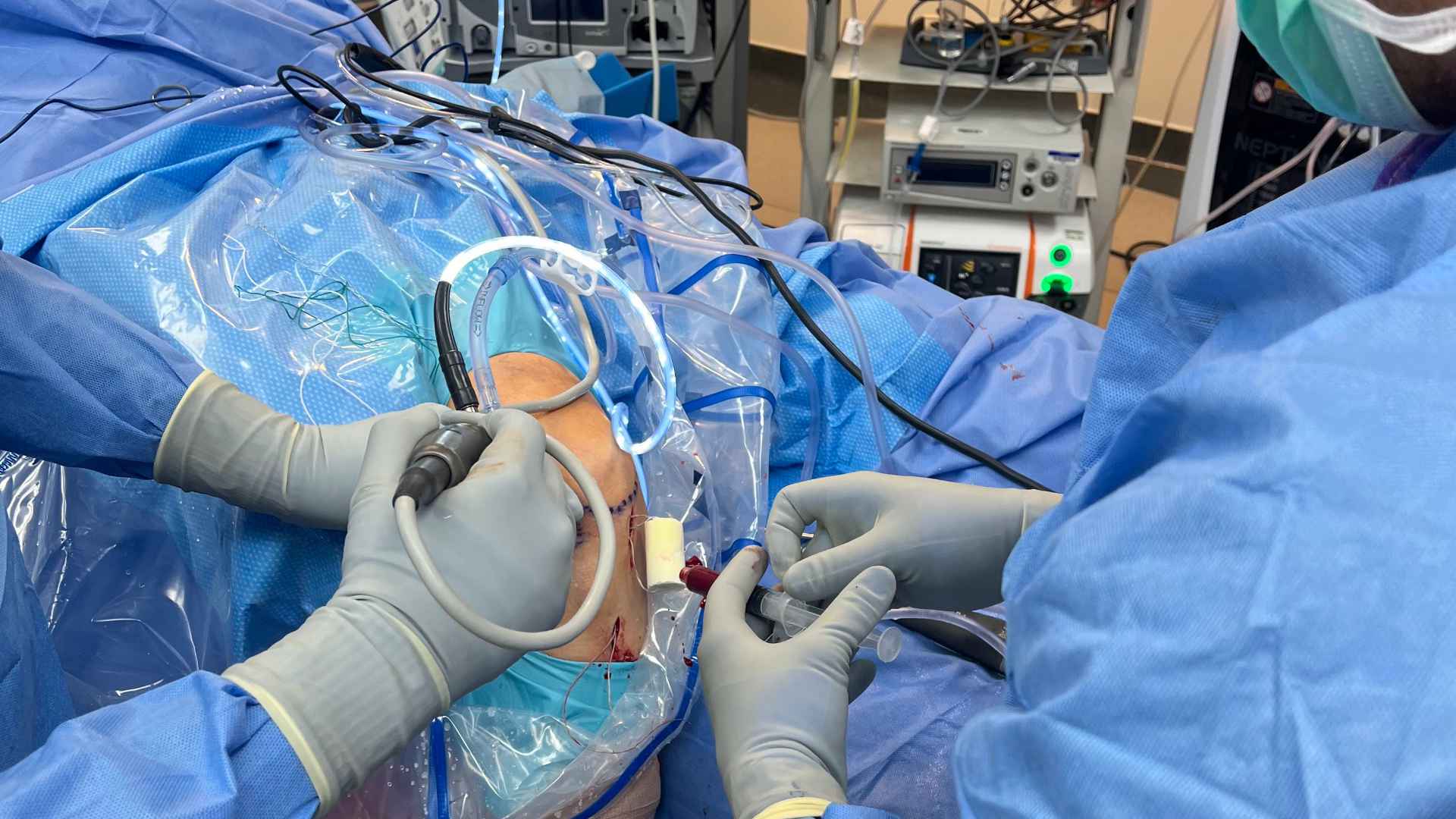
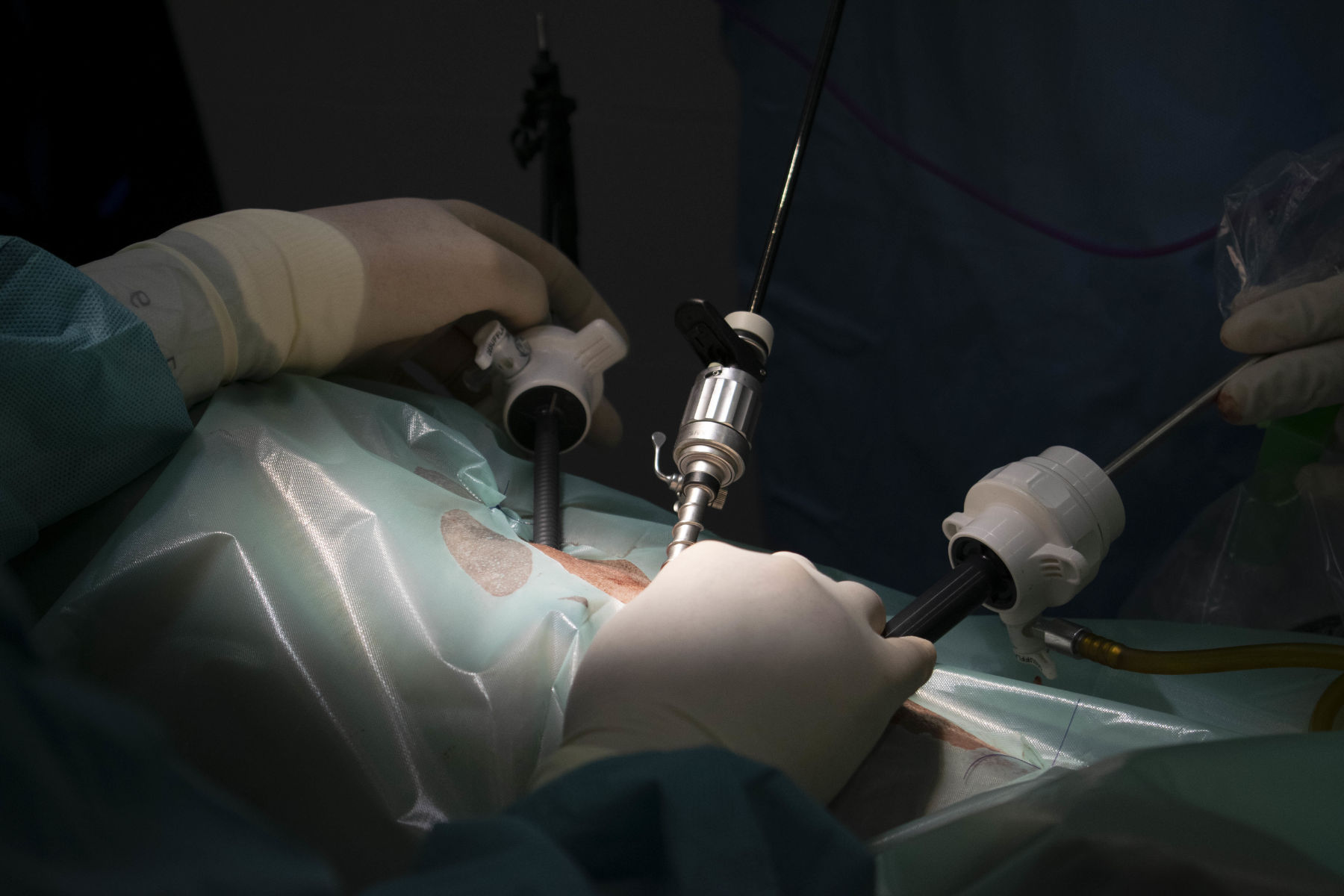
Arthroscopy is a surgical procedure that uses a small camera, called an arthroscope, to view the inside of a joint. Rather than making large incisions, Dr. Arroyo operates through several tiny incisions, often less than half an inch. The arthroscope projects clear, magnified images of the shoulder joint onto a high-definition monitor, allowing him to view the joint with precision.
Benefits of Arthroscopic Surgery for Athletes
- Minimal tissue damage: Small incisions reduce disruption to healthy surrounding muscles and soft tissues, which may result in less postoperative pain.
- Faster recovery: Reduced tissue trauma can support a quicker healing process and an earlier start to rehabilitation.
- Reduced scarring: Smaller incisions generally result in less noticeable scarring.
- Precise repairs: The magnified, high-definition view allows Dr. Arroyo to perform accurate repairs to torn tendons, ligaments, or the labrum.
- Comprehensive assessment: Arthroscopy allows for a thorough inspection of the shoulder joint so that contributing problems can be identified and addressed.
Whether the procedure involves rotator cuff repair, labral tear repair, or treatment for shoulder instability, Dr. Arroyo uses this advanced technique to help restore function and stability while minimizing the impact on the body. His sports medicine background supports a focus on restoring active mobility and helping athletes return to play.
Your Personalized Recovery Journey: Physical Therapy and Return to Play
Shoulder surgery is often only one step in the journey back to full strength. A successful recovery depends on a structured rehabilitation program guided by experienced physical therapists working with Dr. Arroyo at OrthoEdge El Paso.
What Physical Therapy Looks Like for Athletes
After surgery, physical therapy typically begins shortly afterward. Your personalized plan may begin with passive motion and gradually progress to active exercises. Treatment may focus on:
- Pain and swelling management: Initial efforts focus on reducing discomfort and inflammation around the surgical site.
- Restoring range of motion: Gentle, controlled exercises help regain flexibility without placing excessive stress on the repair.
- Strengthening: Progressively challenging exercises rebuild strength in the rotator cuff and surrounding shoulder muscles.
- Proprioception and stability: Exercises improve awareness of the shoulder’s position and enhance joint stability.
- Sport-specific training: Tailored drills replicate the movements of your sport while gradually increasing intensity to prepare you for a safe return to play.
Realistic Recovery Timelines for Athletes
Recovery from an athlete shoulder injury is a process, not an event. Although arthroscopic surgery may allow rehabilitation to begin with less tissue disruption, biological healing still takes time.
- Initial healing, 0–6 weeks: Focus on pain management, protecting the repair, often with a sling, and performing passive range-of-motion exercises.
- Intermediate phase, 6–12 weeks: Gradual introduction of active motion and light strengthening exercises.
- Advanced strengthening, 3–6 months: Intensive strengthening, stability, and proprioception exercises.
- Return to sport, 6–12 months or longer: Gradual, supervised progression to sport-specific activities, ensuring adequate strength, confidence, and readiness. High-impact or overhead sports may require closer to a year of rehabilitation.
It is vital to follow Dr. Arroyo’s and your physical therapist’s instructions carefully. Pushing too hard, too soon, can jeopardize recovery, lead to reinjury, and significantly delay your return to play. Patience and consistency are essential.
Beyond the Physical: The Psychological Aspect of Athlete Injury Recovery
For athletes, an injury is not only a physical setback; it can also be a significant mental and emotional challenge. The frustration of being sidelined, the fear of not returning to previous performance levels, and the isolation from a team can all affect recovery.
At OrthoEdge El Paso, we recognize the importance of addressing the complete recovery process. Our sports medicine approach emphasizes:
- Clear communication: Dr. Arroyo will keep you informed throughout your treatment, set realistic expectations, and recognize your progress.
- Education: Understanding your injury and recovery plan can help reduce anxiety and support your commitment to rehabilitation.
- Injury prevention: Comprehensive treatment addresses contributing factors through targeted physical therapy, improved posture, correction of biomechanical imbalances, and strengthening of stabilizing muscles.
By focusing on physical recovery, mental well-being, and injury prevention, OrthoEdge El Paso helps athletes return to their sport with a stronger foundation for long-term health and performance.
Don't Let Shoulder Pain Sideline Your Game in El Paso
Whether you're a professional athlete, a dedicated weekend warrior, or simply an active individual, your mobility is one of your most important assets. A shoulder injury does not have to end your athletic pursuits. With expert diagnosis from Dr. Arroyo, advanced minimally invasive arthroscopic surgery, and a dedicated rehabilitation plan, you can work toward your return-to-play goals and regain peak performance.
Call (915) 219-8805 today to schedule your consultation.